
The Only Reason Your Home Isn’t Selling (And How to Fix It Fast)
Selling a home can feel frustrating—especially when you see other properties selling quickly while yours sits on the market. You might blame the economy, interest rates, or even bad luck. But in reality, there is usually one main reason your home isn’t selling: your pricing strategy is wrong.
Yes, presentation, marketing, and timing all matter—but price is the single biggest factor that determines whether buyers show interest or scroll past your listing.
In this detailed guide, you’ll learn exactly why pricing matters, how it affects buyer behavior, and most importantly, how to fix it using proven, real-world strategies.
Why Pricing Is the #1 Reason Homes Don’t Sell
Let’s be direct:
Buyers don’t avoid homes—they avoid overpriced homes.
In today’s digital world, most buyers search through platforms like Zillow, Realtor.com, and Redfin. These platforms allow them to filter homes based on price, location, and features.
If your home is priced too high:
- It won’t appear in the right search results
- Buyers will skip it instantly
- Agents won’t recommend it to clients
- It will stay on the market too long
Understanding the Fundamental Truth About Home Sales
Price Determines Everything in Real Estate
In real estate, price isn’t just one factor among many—it’s the master variable that controls every other aspect of your home’s marketability. When a property is priced correctly for current market conditions, it attracts appropriate buyer attention, generates competitive offers, and typically sells within 30-45 days. When it’s overpriced, even by a small margin, the entire sales process breaks down.
Think of pricing like the foundation of a house. No matter how beautiful your kitchen renovation, how pristine your landscaping, or how charming your curb appeal, if the foundation is cracked, the entire structure is compromised. Similarly, incorrect pricing undermines every marketing effort, showing, and potential negotiation before they even begin.
The relationship between price and buyer interest follows a predictable pattern across all real estate markets. Properties priced within 5% of their true market value receive the most showings, generate the most serious inquiries, and often spark bidding wars that drive the final sale price above asking. Properties priced 10-15% above market value see dramatically reduced interest, with buyers viewing them as “aspirational” listings they’ll revisit if the price drops. Anything priced more than 20% above market value essentially becomes invisible to serious buyers, who filter it out of their searches entirely.
Why Sellers Resist Accepting This Reality
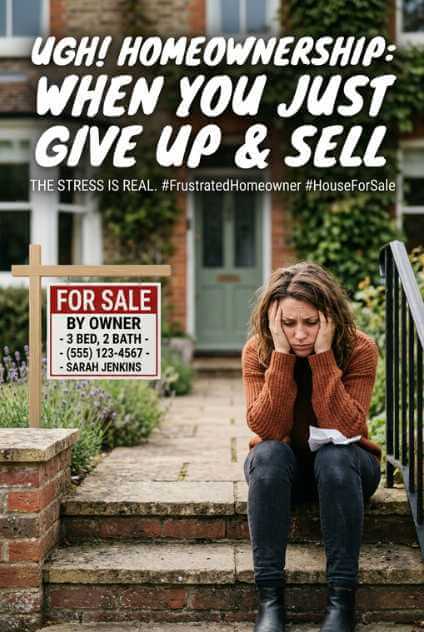
Emotional attachment to your home makes objective pricing nearly impossible for most sellers. You remember the $30,000 kitchen remodel, the countless weekends spent perfecting the garden, and the years of memories created within those walls. These personal investments feel valuable because they were valuable to you, but they don’t automatically translate into market value that buyers will pay.
Many sellers also fall victim to selective comparison, looking only at the highest-priced comparable sales while ignoring properties that sold for less. You might focus on the renovated colonial that sold for $450,000 three streets over, while dismissing the similar home that sold for $385,000 because “it wasn’t updated like ours.” This confirmation bias leads to pricing decisions based on optimism rather than market reality.
Additionally, some sellers believe their home is special or unique in ways that justify premium pricing. While your home may indeed have distinctive features, unless those features appeal to a broad segment of buyers and directly impact livability or functionality, they rarely command the premiums sellers imagine. That custom-built koi pond or themed home theater might actually limit your buyer pool rather than expand it.
Signs Your Home Is Overpriced
If you’re unsure whether pricing is the issue, look for these clear warning signs:
🚩 No Showings or Very Few Visits
Buyers aren’t even coming to see your property.
🚩 Lots of Views but No Offers
People are interested—but the price turns them away.
🚩 Long Time on Market
If your home has been listed for more than 30–60 days without offers, pricing is likely the problem.
🚩 Feedback Mentions Price
If agents or buyers say “it’s too expensive,” take it seriously.
The Hidden Cost of Overpricing
Many sellers think:
“I’ll start high and negotiate later.”
This strategy often backfires.
Here’s why:
- You miss serious buyers early on
- Your home sits longer on the market
- You may end up selling for less than market value
- Carrying costs increase (utilities, taxes, maintenance)
The Real Reasons Behind Common Seller Excuses
The Market Is Slow Right Now
Sellers frequently blame market conditions for their unsold property, claiming buyers aren’t active or mortgage rates are too high. While broader market conditions do affect overall transaction volume, homes priced correctly for current conditions still sell. The evidence appears in your own neighborhood—while your home sits unsold, other properties receive offers and close successfully.
Market timing affects pricing strategy, not whether homes can sell. In slower markets with rising interest rates, buyers have more negotiating power and expect better values, which means sellers must price more competitively. In hot markets with low inventory, sellers can price more aggressively and still attract multiple offers. The market doesn’t prevent sales; it determines at what price those sales occur.
Real estate operates on supply and demand fundamentals regardless of broader economic conditions. If your property offers good value relative to available alternatives, buyers will make offers even during recessions, high interest rate environments, or uncertain economic times. People always need housing, and life events like job relocations, growing families, and retirement continue regardless of economic cycles.
It Just Needs the Right Buyer
This phrase represents perhaps the most dangerous self-delusion in real estate. Sellers convince themselves that some unicorn buyer will eventually appear who loves their home’s specific quirks, doesn’t mind the busy street, sees past the dated finishes, and happily pays the asking price without negotiation.
The “right buyer” theory assumes your home appeals to a narrow, specific demographic willing to pay premium prices for features that most buyers consider neutral or negative. In reality, successful home sales depend on appealing to the broad middle of the buyer market for your price range, not finding the one perfect match who shares your exact tastes and priorities.
Mathematics works against this strategy. If your home appeals to only 5% of potential buyers rather than 30-40%, you need twenty times more market exposure to find interested parties. Even then, that small pool of interested buyers recognizes their leverage and often negotiates aggressively, knowing they’re among very few willing to consider your property.
My Agent Isn’t Marketing It Properly
Blaming your real estate agent for poor results is common, but in most cases, the issue isn’t marketing execution—it’s the impossible task of selling an overpriced property. The best marketing in the world cannot overcome fundamental pricing problems because buyers make purchase decisions based on value, not advertising creativity.
Exceptional agents can generate enormous traffic to your listing through professional photography, targeted advertising, broker open houses, social media campaigns, and their professional networks. However, if visitors consistently tour your home and don’t make offers, the problem isn’t the marketing bringing them through the door—it’s the price they discover when they arrive.
Consider what happens when excellent marketing meets poor pricing. You might achieve thirty showings in your first month, which sounds successful until you realize none converted to offers. Those thirty potential buyers saw your home, compared it to alternatives in their price range, and concluded it wasn’t worth the asking price. More marketing simply exposes more people to an overpriced property, which doesn’t solve the core problem.
Why Marketing Alone Won’t Fix a Bad Price
Many sellers think better marketing will solve the problem.
Yes, marketing helps—but only if the price is right.
Even the best platforms like Zillow or Redfin cannot sell an overpriced home.
Marketing works when:
- Price matches market expectations
- Photos highlight real value
- Listing description is honest and clear
How long should I wait before reducing my price?
If you haven’t received any offers after 30 days on the market, you should seriously consider a price reduction. Waiting longer simply ages your listing and makes it harder to sell. The sweet spot for price adjustments is typically between 30-45 days, when you’ve had enough market exposure to gather feedback but haven’t yet developed a significant stigma from extended market time. Don’t make small, tentative reductions—commit to meaningful 5-10% adjustments that actually move you into new buyer search parameters and create the perception of serious value.
What if my neighborhood has no recent sales for comparison?
Lack of recent comparable sales makes pricing more challenging but not impossible. Expand your search radius to adjacent neighborhoods with similar characteristics, home styles, and price ranges. Look at sales from the past 6-12 months if nothing recent exists, adjusting for market trends in the interim. Consider using price-per-square-foot comparisons from nearby areas and applying those rates to your home. In unique situations, professional appraisers earn their fees by making these difficult value determinations using multiple methodologies beyond simple comparable sales analysis.
Can I overprice initially and reduce later without consequences?
This strategy rarely works as well as pricing correctly from the start. Overpricing initially means you miss the critical first two weeks when buyer interest peaks, your listing begins accumulating negative “days on market,” and serious buyers form negative impressions that persist even after price reductions. Additionally, price reductions signal desperation and encourage buyers to wait for further drops or submit lowball offers. The data consistently shows that homes priced correctly initially sell for higher percentages of asking price than properties that start overpriced and reduce repeatedly. Start strong rather than trying to recover from poor initial pricing.
What if I absolutely need a certain price to afford my next home?
Your financial needs don’t influence market value, and buyers don’t care what you need to sell for—they only care about value relative to alternatives. If you truly cannot accept less than a certain price, you may need to reconsider whether now is the right time to sell. Waiting for market appreciation might make sense if you can remain patient, or you might need to adjust your next purchase plans to accommodate current market realities. Holding out for an unrealistic price while carrying costs accumulate and your listing ages typically results in lower net proceeds than accepting market value quickly and moving forward.
Should I offer buyer incentives instead of reducing the price?
Buyer incentives like paying closing costs, offering home warranties, or including appliances can help in competitive situations but don’t substitute for correct pricing. Buyers and their lenders focus primarily on purchase price, which determines their mortgage amount, down payment requirement, and monthly payment. A $425,000 home with $10,000 in seller-paid closing costs is less attractive than a $410,000 home where buyers pay their own closing costs because the lower purchase price means smaller mortgage, less interest over time, and lower monthly payment. Use incentives to sweeten already fairly priced listings, not to compensate for overpricing.
What is the biggest reason a house doesn’t sell?
The most common reason is overpricing. If your home is priced too high, buyers will ignore it.
Should I lower my price if my house isn’t selling?
Yes. A strategic price reduction can attract new buyers and increase interest.
How long should I wait before reducing price?
If you see no serious interest within 2–3 weeks, consider adjusting your price.
Can marketing help sell an overpriced home?
No. Marketing increases visibility, but it cannot overcome unrealistic pricing.
What is a fair market price?
A fair market price is what buyers are willing to pay based on similar homes recently sold in your area.