

Commercial Real Estate Types
Table of Contents
Understanding Commercial Real Estate Categories
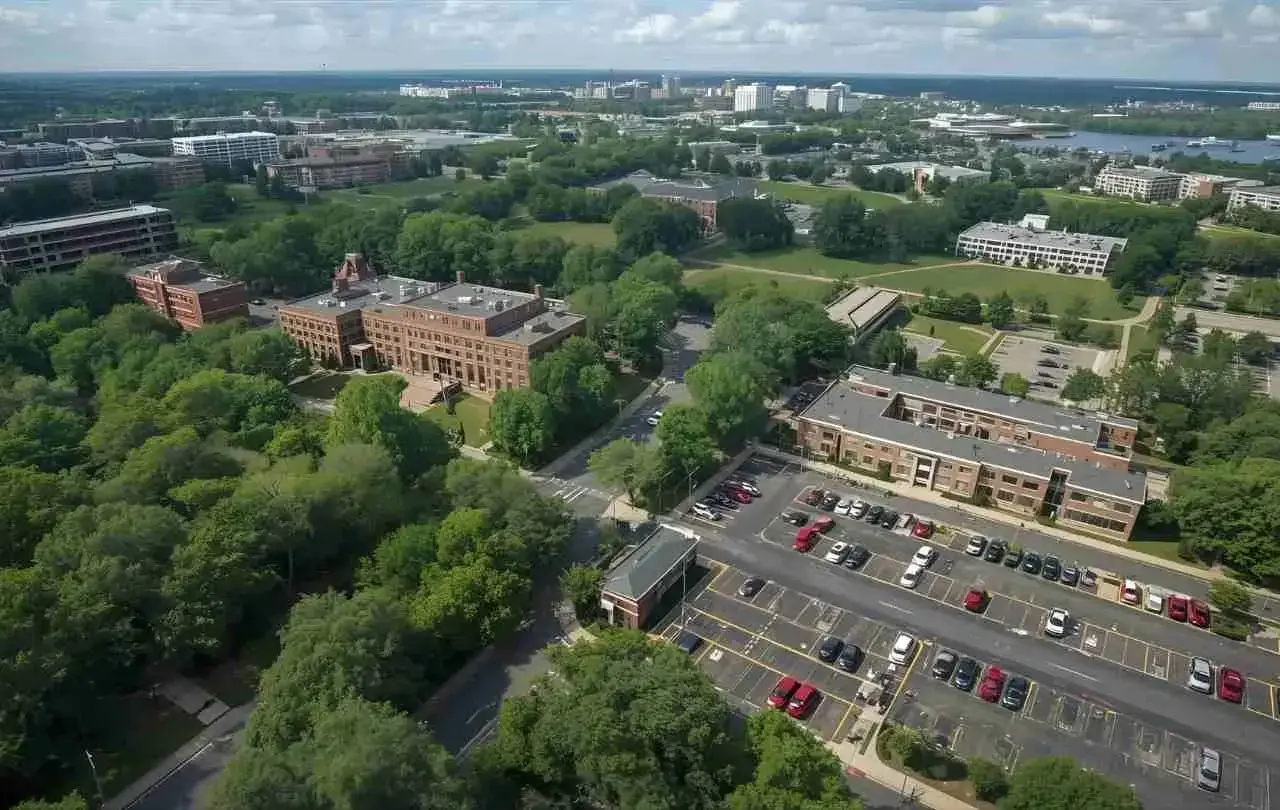
When diving into commercial real estate, it’s important to know the variety of properties available for business purposes. From office buildings in city centers and skyscrapers to suburban office parks surrounded by green landscapes, these office spaces serve companies, organizations, and individuals with professional and administrative operations. A single office building can house single rooms, entire floors, or larger buildings, offering collaborative spaces, meeting rooms, reception areas, kitchens, and restrooms that support employees and clients. Choosing the right office space depends on factors like location, quality, age, amenities, and tenant mix.
Office Buildings and Workspaces
Office buildings vary widely from Class A high-rises in financial districts with premium office space and high-speed internet, electric vehicle charging stations, and public transportation access to Class B mid-market buildings with modern amenities and natural lighting. Class C buildings, often 20 years or older, may need substantial renovation and have fewer amenities, attracting small businesses or family-run companies. Across U.S. states, hybrid work and remote work trends are shaping office vs residential comparisons and influencing tenant preferences and rental prices.
Retail and Commercial Properties
Retail centers, strip malls, grocery stores, and retail stores form another key segment of commercial real estate. These retail establishments rely heavily on consumer behaviors and location. Retail space in shopping centers or malls supports restaurants, cafes, and entertainment options, driving rental revenue and capital appreciation. Developers and investors often consider flexible spaces, sustainable practices, and technology integration when planning new retail properties, ensuring long-term investment returns.
Industrial Properties and Warehouses
The industrial sector covers industrial warehouses, industrial complexes, and industrial outdoor storage. These properties support logistics, manufacturing, distribution centers, and storage of finished goods or raw materials. From private warehouses to bonded warehouses, warehouse management systems, climate-controlled environments, and inventory tracking, operational efficiency is crucial. Investors focus on rental income, capital gains, and leasing terms when acquiring industrial properties to meet business operations and supply chain needs.
Hospitality and Medical Real Estate
Hotels, resorts, and medical office buildings or medical centers are also key commercial property types. Hospitality properties support business activities, tourism, and community engagement, offering amenities, restaurants, and conference spaces. Healthcare facilities and medical offices cater to professional purposes, providing specialized services while generating stable income through rental revenue. Proper management, marketing, and technological advancements enhance the investment value of these assets.
Multifamily and Mixed-Use Developments
Multifamily properties, like apartments, apartment complexes, and multi-use buildings, blend residential purposes with commercial operations, offering flexible spaces for tenants. Mixed-use CRE developments create workspaces, retail establishments, and residential units in urban areas, boosting community engagement and supporting business ecosystems. Investors and sponsors evaluate capital, equity, and operating strategies to maximize investment returns and appreciation.
Investment and Strategic Considerations
Commercial real estate for sale offers investment opportunities across office, retail, industrial, hospitality, and multifamily properties. Key considerations include price, quality, amenities, rents, and leasing terms. Developers, business owners, and beginner investors assess capital gains, rental income, and market trends such as shifting work patterns, consumer behaviors, and technological advancements. Understanding the categories of CRE under the CRE umbrella ensures a strong business plan, effective management, and long-term investment strategy.
Retail Shops and Their Role
Retail shops are a vital part of commercial real estate, serving as physical establishments where sellers directly interact with buyers. They range from small local shops like a corner store to large department stores and high-end retail spaces offering personalised recommendations and champagne experiences. These retail stores focus on selling goods and services that meet consumer demand, influencing purchasing decisions and contributing to the economy. Many businesses, from multinational chains to small local shops, rely on retail shops to maintain daily lives, improve quality of life, and provide convenience and variety to consumers.
Retail is more than just a shopping experience; it’s part of the supply chain, connecting manufacturers, wholesalers, and retailers to deliver consumer goods and services. In the United States, there are over 4 million retail stores serving around 40 million people, making the private sector employer role significant. Retail outlets manage products in bulk or smaller quantities, balancing profit and pricing strategies like $17 per unit or $25 per unit for items such as scarves in a clothing retailer. The brick-and-mortar store continues to thrive alongside online platforms, offering direct interaction, easy returns, and helpful staff that cannot be fully replicated digitally.
Investing in a retail shop as part of a commercial property portfolio can enhance revenue and profit while serving consumer culture and consumer services. A well-located storefront in a convenient location maximizes retail space utilization, encourages shopping, and ensures efficient distribution of products. Whether part of a shopping center, industrial warehouse, or an office building, retail shops remain central to the industry, supporting businesses, consumers, and economic growth.
Shopping Malls and Their Evolution
Shopping malls are large commercial complexes that bring together retail stores, department stores, restaurants, and entertainment options under one roof. The concept was conceptualized by Victor Gruen in the 1950s, with Southdale Center, Minnesota, 1956 being the first enclosed, two-story mall designed as a pedestrian promenade and community hub. Over the decades, shopping centers became commonplace in North America and globally, adapting to suburban areas, city centers, and downtown areas, offering public spaces and civic integration with libraries, post offices, and public assembly areas.
Malls combine anchor stores, specialized shops, big-box stores, and entertainment to create retail ecosystems that cater to consumer behavior and shopping evolution. These commercial spaces serve as destinations, attracting thousands of shoppers with climate-controlled environments, parking areas, and interconnecting walkways. In the United States and Canada, lifestyle centers, factory outlet centers, and festival marketplaces expanded on the shopping arcade model seen in European countries and the British Isles, enhancing customer experience with greenery, fountains, and immersive consumer experiences.
Over time, malls faced challenges like retail apocalypse, vacancy rates, online shopping, and urban decay, leading to dead malls and repurposing opportunities. Developers and investors now focus on mixed-use transformation, integrating office spaces, residential units, entertainment, and services to revitalize retail complexes. Adaptive reuse and modernization efforts aim to sustain public interest, enhance consumer demand, and maintain economic growth, ensuring shopping malls continue as commercial anchors and cultural symbols in metropolitan areas, suburban shopping, and global retail markets.
Architectural planning, structural design, and technical infrastructure are critical in mall evolution, combining aesthetic components with environmental design to offer convenient services and civilized amenities. Modern shopping centers leverage technology developments, experiential retail, and retail innovation cycles to adapt to societal trends, consumer culture, and retail transformation. From historical marketplaces to immersive consumer experiences, shopping malls remain a central element of commercial real estate, reflecting shifts in shopping behavior, consumer preferences, and urban planning.
Commercial hubs in suburban growth areas include mall typologies like power centers, lifestyle centers, and festival marketplaces, offering a mix of service diversity, retail formats, and business operations. The integration of office spaces, conference halls, and service establishments ensures multifunctional use while maintaining retail infrastructure. These complexes not only drive economic activity but also create community hubs and public assembly areas, blending commercial growth with civic engagement.
The global expansion of shopping malls showcases regional variation in design, retail infrastructure, and commercial culture. In Asian countries, Europe, and North America, shopping centers adapt to market dynamics, retail supply chain, and consumer shift toward experiential shopping. Developers emphasize high standards, structural arrangement, and retail modernization to compete with online commerce, ensuring customer services, convenience, and community impact remain central to property development and retail modernization strategies.
By combining historical context, architectural innovation, and consumer-focused amenities, malls continue to act as shopping destinations, cultural symbols, and commercial anchors. Their role in urban planning, commercial history, and retail innovation underlines their importance as investment properties, commercial real estate assets, and community hubs for both residents and shoppers, keeping them relevant in the modern age of commercial real estate and consumer behavior.
Showrooms: Spaces to Showcase and Sell
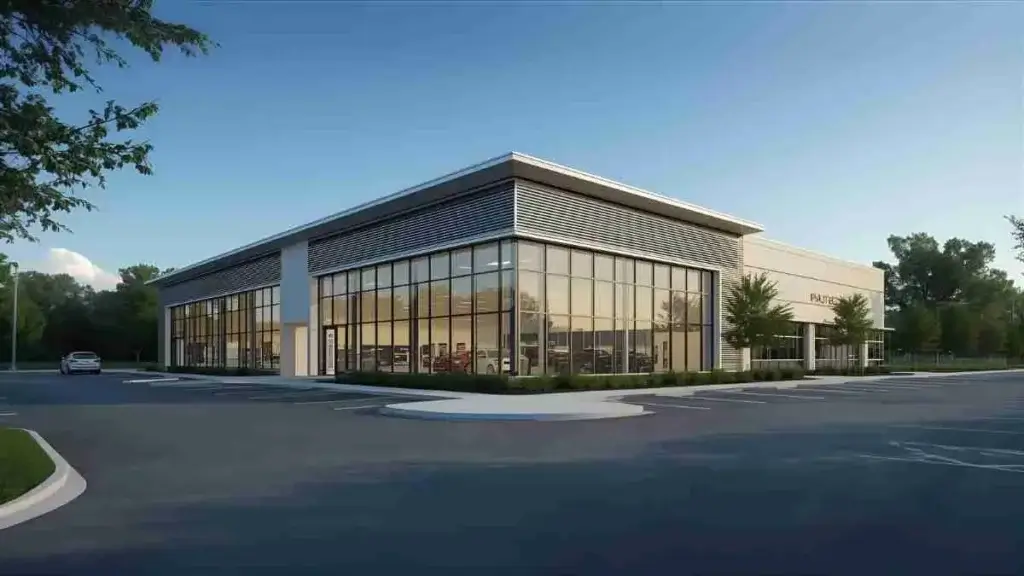
A showroom in commercial real estate is a building designed to showcase and sell products directly to customers. These spaces are common in automotive, furniture, appliances, and consumer electronics industries, providing a visually appealing display area that attracts and engages buyers. A showroom often integrates office and storage space, allowing staff to manage administration, handle product storage, and support customer-facing sales areas efficiently. Retail showrooms and office showrooms are designed with substantial showroom areas and square footage that accommodates both display and operational needs.
Many showrooms are part of flex properties, combining offices, warehouses, and showcases to serve multiple purposes. This flex facility approach is ideal for e-commerce brands, car dealerships, furniture stores, and appliance retailers, allowing a mix of space for warehousing, displaying, and selling products. Flex buildings may dedicate more than 30 percent of the square feet to office space, with the remainder for warehouse space, testing areas, or light manufacturing, depending on business needs.
Industrial buildings used as showrooms often feature high clear heights, loading docks, dock-high doors, and security and cooling systems. Some facilities support Research & Development, data centers, medical research laboratories, or light manufacturing areas, allowing companies to create, test, and improve products while maintaining customer-facing showrooms. The integration of network connectivity, special wiring, and large spaces ensures smooth operations for both office and warehouse functions.Locating a showroom near a freeway or major road improves customer access, making it easier for residential and commercial properties in the vicinity to support business. With flexible use, flex properties maximize office percentage, warehousing, and retail display, meeting business purposes while remaining a key asset in the real estate sector. Whether it’s showcasing, selling products, or combining offices, showrooms, and warehouses, these commercial properties provide a complete solution for modern business operations.
Warehouses: Storage Hubs for Business Operations
A warehouse is a building designed for storing goods and supporting business activity across industries like manufacturing, agriculture, and production. These facilities are crucial for manufacturers, importers, exporters, wholesalers, and transport businesses to manage incoming flow and outgoing flow of raw materials, spare parts, components, semi-finished products, and finished goods. Located often in industrial parks, on the outskirts of cities, towns, or villages, warehouses integrate loading docks, trucks, railways, airports, and seaports to streamline distribution and supply chain operations efficiently.
Modern warehousing includes rack-supported warehouses, cold storage chambers, open-air warehouses, basements, and depots, equipped with storage racks, handling equipment, cranes, and forklifts to manage stored goods according to operational needs. Warehouses can be central, regional, or transit, and use either manual, conventional, mechanized, or automated systems to move small materials, coils, or perishables safely. Classification, location, and constructive systems depend on the types of storage facilities, criterion, and common features, making them vital assets for business management resources and overall commerce efficiency.
Industrial Buildings: Spaces for Production and Business
An industrial building is a type of commercial property designed to support technically productive enterprises, including manufacturing, storage, and distribution facilities. These buildings are essential in the construction industry and commercial sector, providing large open spaces, high ceilings, and robust construction to accommodate heavy machinery, equipment, and processing operations. From textiles, chemicals, plastics, and metals to wood products and paper products, industrial buildings support diverse business purposes and economic development.
Historically, industrial buildings date back to the American Industrial Revolution in 1790, when Samuel Slater built the first textile mill, setting the foundation for large-scale production and financial benefits. Today, they include factories, power plants, logistics centers, and warehousing, often designed with durable materials, large floor plates, and flexible space to enhance efficiency, profitability, and environmental sustainability. Renovation and remodelling allow these facilities to adapt to scalable operations and evolving industrial processes.
Industrial buildings must follow legal requirements, regulatory requirements, and planning requirements set by responsible authorities to ensure safety, environmental balance, and compliance with city regulations and area laws. Industrial office space typically occupies less than 20% of the total floor area, with the remainder dedicated to production lines, storage operations, loading docks, light assembly, or heavy assembly. Clear heights of 18+ feet are common to support logistics, power production, and manufacturing operations.
Modern industrial properties also emphasize flexibility, allowing businesses to adjust space resources for processing steps, repair, cleaning, and storage. Integrating efficient construction methods, environmental sustainability practices, and robust architecture helps companies achieve cost savings, improve the production chain, and increase market size and profitability, making industrial buildings a cornerstone of the commercial real estate market.
Factories: Hubs of Industrial Production
A factory is a type of manufacturing plant or production plant designed as an industrial facility where machinery, workers, and equipment come together to manufacture and process various goods. These complex buildings often include assembly line production, warehouse-like facilities, and storage areas for raw materials, parts, sub-assemblies, and finished products. From chemicals, pulp, paper, refined oil products, to automotive and electronics, factories play a critical role in economic production and the modern industrial enterprise.
Historically, factories evolved from the cottage industry and workshops of the 17th–18th century in Europe, to the Industrial Revolution, where power-driven machinery, spinning mules, and steam power enabled mass production and low-cost goods. Iconic developments, like Henry Ford’s assembly line in the U.S. meat-packing industry, revolutionized production scale by reducing labor time dramatically, from 121/2 man-hours to 93 man-minutes per chassis assembly. Over centuries, factories have expanded globally to Asia, South America, Australia, and the U.S., becoming big buildings that integrate production floors, control rooms, administrative offices, and quality control stations.
Modern manufacturing facilities focus on production efficiency, automation technologies, robotics, computer-controlled systems, waste minimization, and sustainable practices. Energy consumption, carbon footprint, and environmental impact are now managed using renewable energy sources and safety protocols under acts like the Workplace Safety and Health Act (WSH Act). Today’s factories combine networked machinery, skilled workers, and administrative staff to operate machines, assemble products, and ensure quality, making them central to industrial operations and global commercial real estate.
Hotels: Modern Lodging Establishments
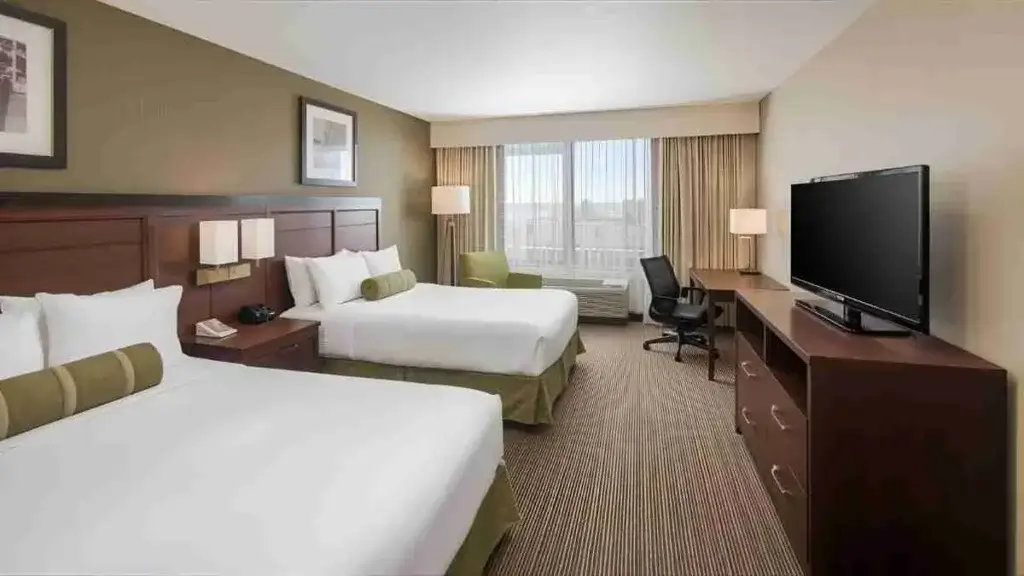
A hotel is a lodging establishment that provides paid lodging on a short-term basis for travelers, tourists, and business guests. These commercial properties range from hostels, motels, budget motels, to luxury hotels and boutique hotels. Each hotel room typically includes beds, dresser, refrigerator, kitchen facilities, upholstered chairs, television, and en-suite bathrooms. Suites offer additional space and luxury amenities, while custom decorated rooms in boutique hotels provide a unique experience. Modern hotels also offer guest services, such as maid service, concierge, room service, conference facilities, and event facilities.
Hotels have evolved over time, from ancient Roman mansiones, medieval European coaching inns, and relay houses in 13th-century China used by travelers, to resort hotels on the French and Italian Riviera for wealthy vacationers. The Industrial Revolution and the railroad age in 19th-century North America and England accelerated hotel development, giving rise to luxury hotels like the Savoy Hotel in London, 1889, and City Hotel, New York City, 1794. Today, hotels cater to both leisure and business travelers, combining full-service accommodations, on-site restaurants, business centers, fitness centers, and recreational activities.
Modern hotel operations focus on technological conveniences like internet, cable TV, air conditioning, and minibars, while maintaining high service standards and quality amenities. Hotels are strategically located in central city locations, tourist areas, and resorts to maximize occupancy and revenue, contributing significantly to the tourism-lodging industry, providing jobs and supporting local economies. From economy hotels to luxury resorts, hotels remain a key commercial real estate type, balancing comfort, service, and profitability.
Motels: Roadside Lodging for Travelers
A motel is a type of lodging establishment designed mainly for automobile travel. They became popular in the United States around 1925 and spread to Europe and Japan by the 1950s and 1960s, often located along interstate highways, main roads, or near railroad stations. Unlike larger hotels, motels feature separate entrances, direct parking, and overnight accommodations for guests traveling by car. They offer basic amenities like a bed, bathroom, television, continental breakfast, restaurant facilities, and sometimes swimming pools, making them convenient and affordable for road trippers, families, budget travelers, and business travelers on short trips.
Motels are usually single-story or two-story buildings with parking lots directly in front of rooms, emphasizing simplicity, convenience, and quick access. They serve short-term stays, supporting overnight guests, commercial travelers, and vacationers. During post-war America, motor hotels became a staple of roadside lodging, offering a convenient place to rest during long-distance car trips while maintaining an informal atmosphere. Today, motels continue to provide affordable lodging and basic comfort for travelers relying on the modern highway system.
Resorts: Vacation and Leisure Destinations
A resort is a self-contained commercial establishment designed to meet vacationer’s needs by providing accommodation, food, drink, sports, entertainment, and shopping within its premises. Unlike typical hotels, resorts often have recreational activities such as pools, sports courts, wellness and spa services, and relaxation activities. They can include condominium complexes, timeshares, fractional ownership, or wholly owned condominiums operated by a single company. Originating in North American English and British English, resorts became popular in the late 20th century as destination resorts, attracting holidaymakers, families, and tourists to scenic sites, beaches, ski parks, and historic sites.
Resorts provide a comprehensive experience with all-inclusive tourist complexes, on-site dining, bars, entertainment, and leisure activities. They are designed for full-service lodging, catering to families, kids-club programs, wedding events, and other unique experiences. Many resorts focus on eco-friendly operations and well-being, combining nature, gastronomy, and recreation for memorable experiences. With packages, property launch strategies, and potential rebrands, resorts remain a premium segment in commercial real estate, offering exceptional locations, higher-quality service, and year-round appeal to vacationers seeking relaxation and enjoyment.
Restaurant Properties: Investment and Operations
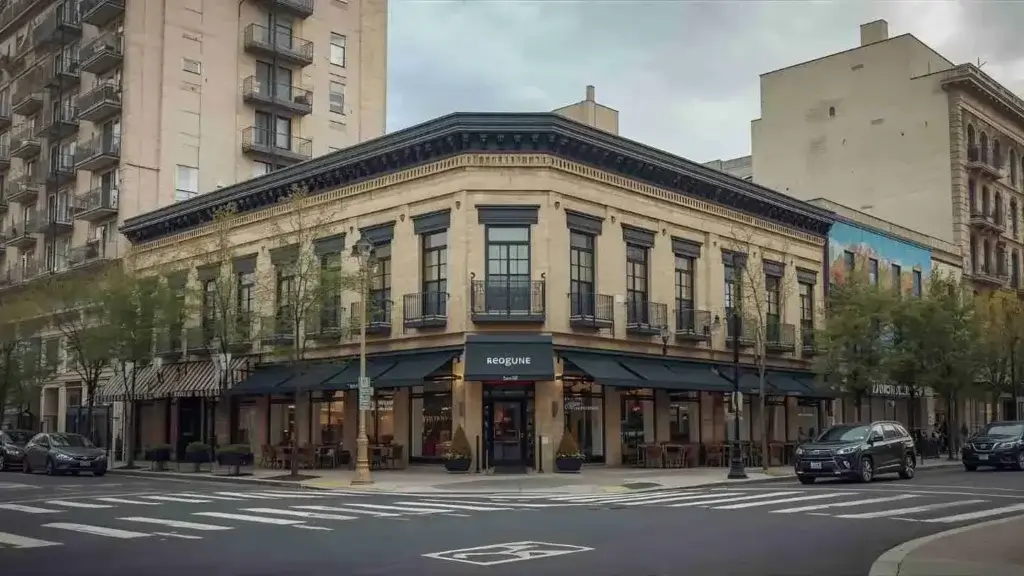
A restaurant is a building designed for food service, often categorized as special-purpose properties in commercial real estate. Well-located and well-constructed restaurants can maintain a strong economic life of up to 40 years, provided proper capital improvements and maintenance. From fast-food outlets to modern models, food halls, and ghost kitchens, these properties serve diverse restaurant categories and contribute significantly to profit, rental income, and long-term growth. Investors evaluate restaurant properties considering property value, traffic, tenant synergy, and operational headaches, balancing financial strain against lasting benefits and equity creation.
Restaurant investment requires strategic analysis and understanding of the life cycle and progression of commercial property spaces, which may include office buildings, residential duplexes, and warehouses in mixed-use environments. Successful ventures often leverage proven brands like Tony Luke’s or revenue-generating anchors for strategic integration, maximizing commercial real estate investment strategy and ensuring long-term business strategy alignment. Developers and property managers must consider leasing, reselling, and operating complexity, including intangible business value, risk profile, and market trends, to maintain profitability and achieve sustainable commercial property success.
Medical Offices and Clinics: Meeting Healthcare Needs
A medical clinic is a healthcare practice facility designed to provide primary care and specialized healthcare services. These can include family practice, internal medicine, pediatrics, neurology, obstetrics, gynecology, and oncology. Some clinics are associated with hospitals or universities, while others operate as private, public, or government operations. They offer routine medical care, preventive care, and therapeutic treatments through outpatient services, ambulatory care clinics, or specialist clinics, helping patients meet healthcare needs efficiently.
Modern medical office buildings (MOBs) focus on patient experience and comfortable waiting areas, sometimes including kids’ play areas and snacks. Leasing medical office space requires careful planning to accommodate professional interior design, modern design elements, and patient-friendly amenities. Technology integration like online health records and tools for doctor interaction improve efficiency. Whether appointment required or walk-ins accepted, these healthcare practice facilities ensure in-person care, complementing hospital care and enhancing patient outcomes.
Storage Facilities: Flexible and Secure Solutions
A storage facility, also known as a self-storage facility, offers personal storage and business storage with flexible rental terms and various storage unit sizes. These facilities provide temporary storage or long-term storage in a secure space with controlled access and modern security systems, ensuring your belongings are accessible, clean, and safe. From storage units, lockers, container storage, warehouse storage, storage by the box, to outdoor storage, these self-service storage solutions help individuals and businesses manage moving, decluttering, downsizing, or extra inventory during life events like the 4Ds of life—death, divorce, delimitation, and discombobulation—or for relocation and duplicate items, offering convenient storage, specialized storage, and practical storage tips.
Flex S: Understanding Shaft Performance

The Flex S refers to the shaft of a driver or iron, which plays a critical role in power, accuracy, and consistency during a swing. Think of your club as a metal stick or fishing rod that works like an engine, storing and releasing energy. When you load the shaft during the backswing, it bends, then unloads, sending the clubhead forward with speed and trajectory, much like a whip. The bend profile determines if a stiffer or softer shaft is suitable, which in turn affects distance, kick, and release.
Golf equipment uses a letter system to indicate stiffness: L for Ladies, A for Senior/Amateur, R for Regular, S for Stiff, X for Extra, and Tour/XXS for professional or elite players with very high swing speed. Each point on this spectrum helps amateur and professional golfers figure out the right choice for their motion and forceful transition. The general progression is designed to make it easier to match equipment to a golfer’s swing, though brands may feel softer or firmer. Understanding the basic concept of shaft flex is essential for hitting better shots and mastering your swing with confidence.
The Flex S guide is practical for all golfers, showing how measuring shaft flex affects trajectory, timing, and overall performance. Like casting a line that snaps forward to fling a lure, the shaft’s motion contributes to distance and accuracy. Seeing the S etched on your shaft might seem tricky, even like hieroglyphics, but it helps unpack the fundamental mechanics of equipment and swing, so you can sit back, grab your favorite beverage, and enjoy swinging with confidence.
Commercial Leases Simplified
Leases in commercial real estate define the relationship between a landlord and a tenant, making transactions smoother and understanding clear for both parties. Unlike residential leases, these agreements are complex and tailored for business needs, including Gross Lease or Full-Service Lease, where the tenant pays a fixed rent while the landlord covers operating expenses like taxes, insurance, and maintenance, or Net Lease options like single-net, double-net, and triple-net, where the tenant takes on more expenses. Percentage Lease structures link rent to gross sales for retail businesses. Key clauses include Lease Term and Renewal Options for duration and conditions, Rent Escalation for inflation or market rates, Use Clause ensuring compliance with zoning laws and landlord policies, and Assignment or Subletting to transfer obligations. Understanding these elements helps both sides negotiate favorable terms, protect interests, and attract quality tenants.



Leave a Reply