
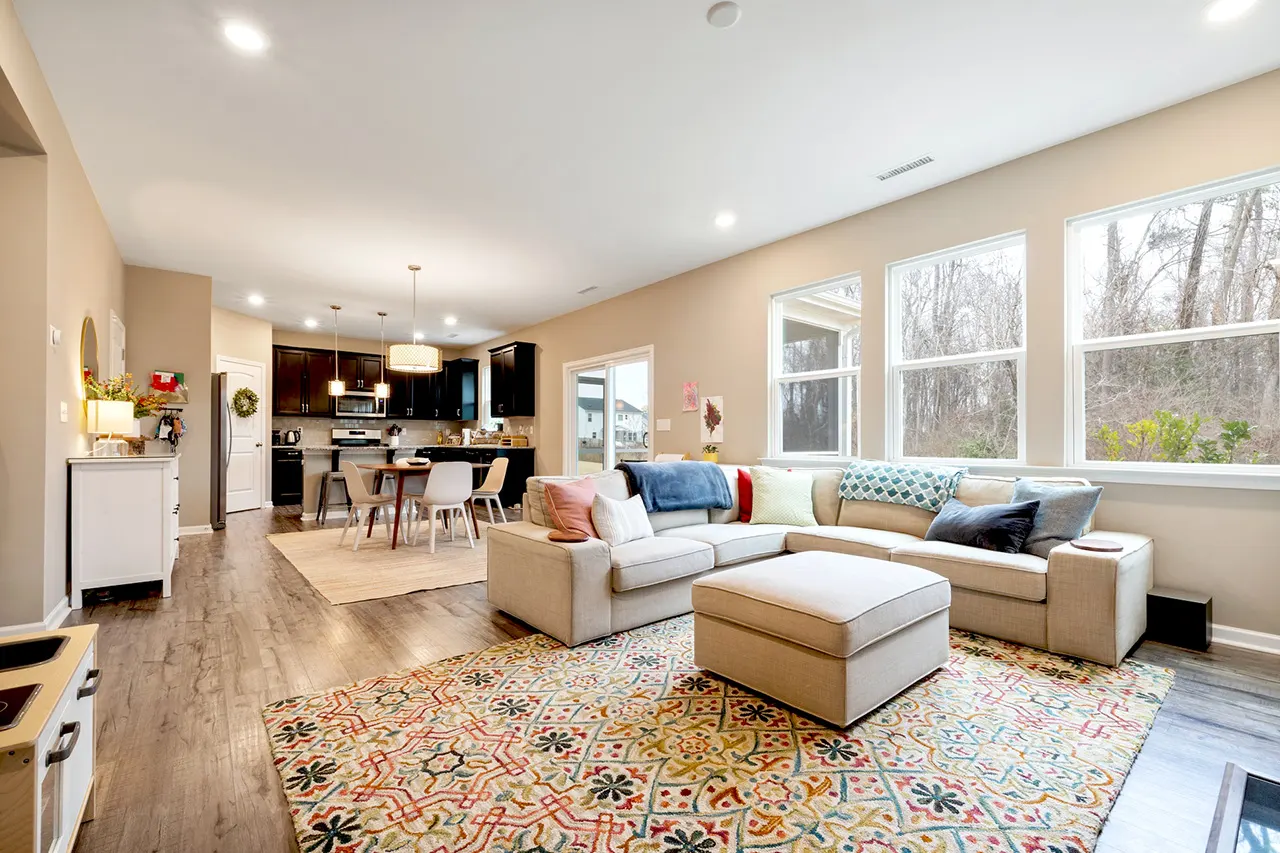

A Real-World Look at Furnishing Costs
When you are relocating for work or planning a big move into your first apartment, the real question is not just about rent and utilities, but how much it truly costs to furnish an apartment. From my ten years experience working with clients as an interior designer, I’ve seen that the entire process of furnishing a new home can be both exciting and challenging. Many people only consider the obvious cost, but forget about packing materials, truck rentals, movers, internet, or small renovations that are not included in the original budget. When you buy everything from scratch, whether it’s a studio apartment or a three-bedroomed apartment, the numbers can increase quickly depending on location, style tastes, and the quality of furniture.
Table of Contents
In global averages and recent studies, a studio apartment usually costs between $2000 and $5000 to fully furnish apartment, while a three-bedroomed apartment may range from $10,000 to $40,000. In an expensive area like an affordable Manhattan apartment in NYC, it can feel even more costly to decorate in a stylish way. I recently worked on a project where the average cost to furnish house in 2025 was close to $16,000, and that was with careful budgeting. These costs always change based on size, number of rooms, and whether you choose standard apartment furniture or custom pieces. If you add designer services, the interior designer cost excluded from basic estimates can raise budget significantly.
Some people prefer a turnkey solution to furnish entire home in one day. Companies like Urban Furnished offer affordable furnished apartments, which can help during a stressful time of mo ving to a new property. Others explore services like Outpost, where you send a design request, a design team shares several designs, and based on your style, budget, and timeline, the selected furniture and accessories arrive and are set up in your new home. This approach can save time consuming and labor intensive effort, especially if you want to decorate a rental apartment without managing every small decision yourself.
From my experience, there is nothing free, and the final cost always varies. Whether you are creating a dream vacation home, handling a kitchen renovation in a new build, or simply trying to furnish apartment after moving to a new place, you must plan step-by-step. A clear guide with a thorough breakdown of furnishing costs gives real answers and acts as a quick reference instead of guessing. The main factors — house size, number of rooms, quality of furnishings, and personal style rooms choices — decide how much you will spend money and how well you can save your hard-earned cash. Some clients even ask for a simple table to compare options before they commit to a final budget.
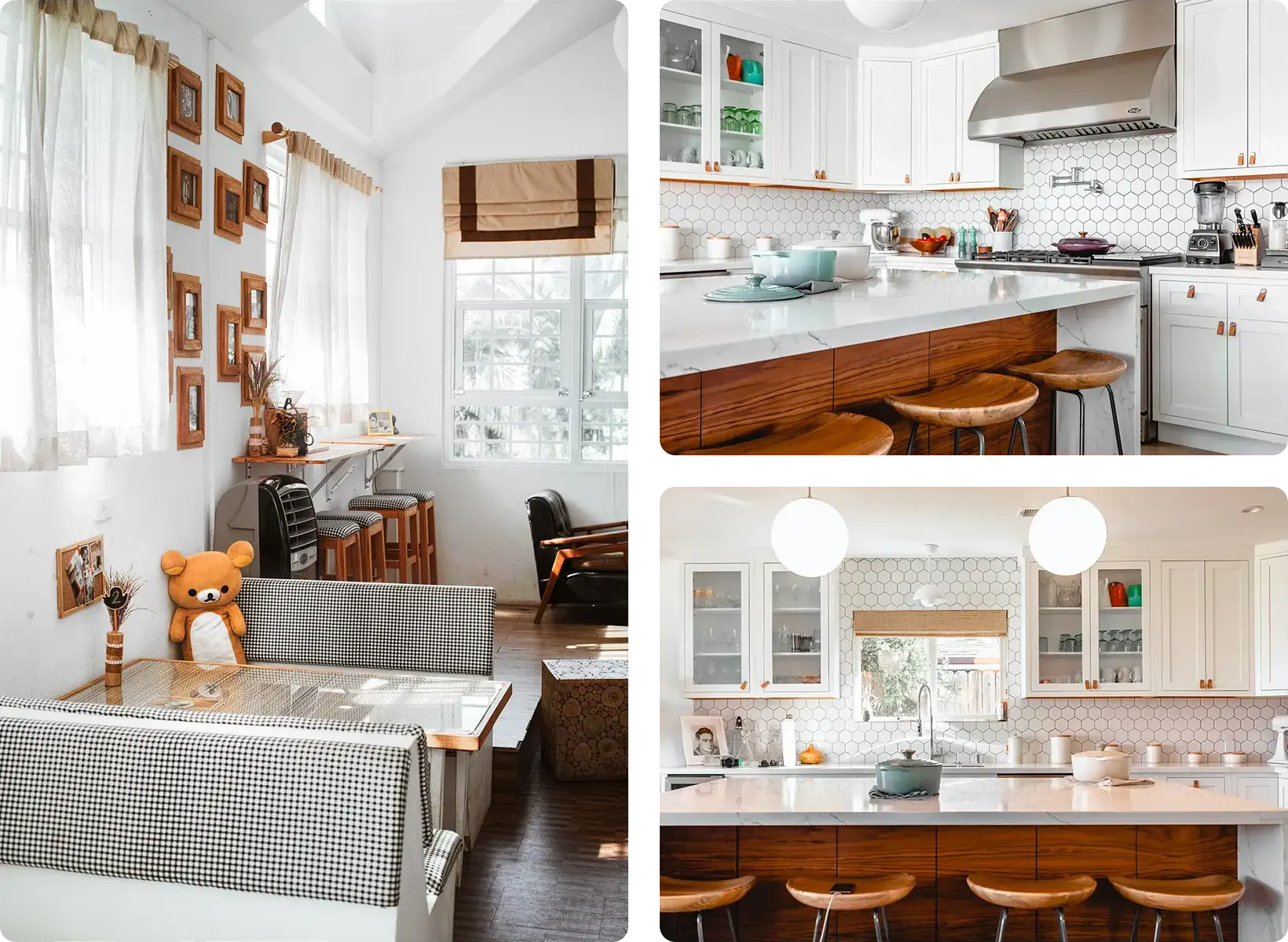
Balancing budget planning and cost breakdown in Home Furnishing
When I work with customers who move into a new home, the first thing we discuss is not style—it’s their budget and the real cost of home furnishing. Your unique situation, life stage, and lifestyle are a major factor in how much you will spend. A student buying IKEA-graduate pieces will spend very differently than a family investing in quality furniture and durable pieces. That is why a clear cost breakdown helps you prioritize pieces that truly matter. In every home, the goal is not to buy everything at once, but to understand which essential pieces should come first and which can wait.
From my experience, the smartest way to manage your budget planning is to break down spending by furniture types and accessories selection. Start with essential furniture like a bed, sofa, and dining table—these are the pieces that shape your comfortable home and daily comfortable living. Then think about accessories that fill the space and reflect your personal style, design preferences, and overall home style. Your design choices should match your lifestyle, because a single professional and a growing family have a different unique situation. Good planning will help you balance quality and comfort without losing control of the total cost.
Over the years, I have seen people regret buying cheap furniture that did not last, while others were proud they invested in long lasting, quality pieces they truly love. In my personal guide for any life stage, I always suggest mixing smart savings with strong investments. Choose essential items first, then add meaningful accessories that inspire you and support your best life now. Whether you are an IKEA graduate or moving beyond IKEA-graduate pieces, remember this simple truth: the right pieces should deserve a place in your new home, reflect your personal design preferences, and support your years to come so you can live, inspire, and enjoy your best life in a space built around comfort and value.
Smart Ways to save money While furnishing apartment
When it comes to furnishing apartment spaces, I always tell clients to start with helpful strategies that protect their personal budget. First, prioritize essentials and focus on important items like a bed, sofa, and dining table. These are your essential furniture pieces for any apartment room. If you try to furnish the entire apartment at once, the cost quickly adds up. In many cities, the furniture cost for a two bedroom apartment can reach $10,000, depending on your lifestyle choice and furnishing decisions, and that is where smart planning creates real savings.
One strong option is to shop secondhand through the secondhand market, including used furniture from estate sales, thrift shops, and online marketplaces. I have found high-value used items that were far better than cheap new ones. Some people even choose affordable furnished apartments in places like NYC, where high rent makes buying everything difficult. Renting a fully furnished room from companies like Urban Furnished can help avoid furnishing costs, especially for short stays or even hosting on Airbnb. This approach works well when your unique needs are temporary and you want flexibility.
Another tip is to wait for sales like seasonal sales and store promotions that offer significant savings. Many budget retailers such as Ikea, Fantastic Furniture, and Kmart provide a good quality mix. For example, I once bought a coffee table for $200 at Fantastic Furniture and a TV unit for $300 at Ikea. If you compare that with the average furniture package of $2000 to $3000, it feels very reasonable for good quality and good looking results without buying only non generic pieces.
Finally, I always suggest balancing mix quality choices. Invest in long lasting furniture like a solid oak dining table or oak table, and maybe a 100% leather sofa that will serve you a long time. I personally love art and once invested in original pieces to give my beautiful room a real personal touch. Adding DIY décor, being creative, and making your own craft decorative items can reduce variation in cost while still reflecting your personal taste. Since everyone is different, the cost vary based on your apartment, your strategies, your choice of retailers, your focus on quality furniture, and the art pieces and pieces that matter most to you.
Plan Your Furniture Layout Smartly
Before you think about the total furnishing cost, focus on your new space. The first step in any good furnishing guide is space planning. I always tell my clients to look at the apartment layout and create a clear room division. Even in a split apartment, you should define different functional areas like the living room, dining room, bedroom, and home office area. These are the four core areas that support the basic functions of a home. Clear apartment zones make it easier to manage your furniture budget and understand your real apartment cost. When you break down your housing spaces into living area, bedroom area, and office space, you see how each part affects the total cost of furnishing.
In a typical example, a one-bedroom apartment typically includes a living room, dining area for two to four people, a bedroom, and a small home office or small office corner. The cost of furnishing a one-bedroom apartment with quality furniture usually falls between $7000 and $11000. For a two-bedroom apartment, the cost of furnishing with quality furniture can range from $9000 to $15000. These numbers change depending on your functional areas, your chosen quality furnishings, and how you approach apartment furnishing. From my experience, many people underestimate the range of cost because they don’t review their home functions carefully before buying.
If you compare a studio unit and a three-bedroom home, the cost range can be very different. A simple cost summary in a table or cost table helps you see the price range clearly, whether you are furnishing apartment on a tight budget estimate or planning a larger project. The more detailed your step process, the easier it is to control your furnishing choices. By matching your home areas to your real needs, you avoid overspending and keep your furnishing cost realistic from the start.
Choose a Done-for-You Furnishing Service
When you plan your furnishing for a new home, things don’t always go smoothly. I’ve seen many curveballs like floor plans that are inaccurate, incorrect dimensions, or small quirky details you only catch during an apartment tour. You may discover something new or notice an unexpected issue after move-in. This is where everyone wants to avoid extra stress and not live out of suitcase for several weeks. A turnkey solution can be a smart alternative. Instead of handling every space measurement and facing planning issues, you work with a professional designer who will curate the right furniture and accessories for your new apartment.
With a full service like Furnishr, you simply submit a design request, explain your case and situation, and get real help with your home setup. The team manages the full home furnishing process, from apartment furnishing plans to furniture delivery, and everything is delivered and set up in one day. From my experience, this kind of quick setup improves living comfort and supports better stress management, especially after a long move. As a solution option, it may cost more upfront, but it often saves time, reduces mistakes, and makes the transition into your space much easier.
Room-by-Room Cost View
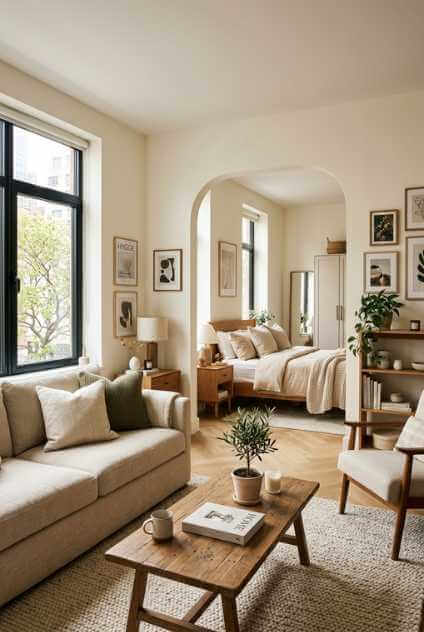
In my daily work, I have furnished thousands of apartments and houses across different sizes, different styles, and different cities, and I always tell clients to look at each room separately. Every major room in an apartment should include at least two to three pieces of essential furniture. For example, a living room normally needs a sofa and coffee table, while a bedroom requires a bed frame, mattress, and either a nightstand or side table. These simple room essentials form the core furniture of most apartment rooms. When you focus on one living area or on bedroom furniture at a time, the furnishing process feels less overwhelming and more structured.
If you dive deeper into room budgeting, you start to know how much your budget should cover for furniture pieces in each room. Smart budget planning is not only about numbers; it’s about careful furniture selection based on your lifestyle and space. With my professional knowledge and years of home furnishing experience, I’ve learned that a clear room setup plan keeps spending under control while still matching your taste in styles across various cities. Breaking down costs this way gives clarity and makes the full project easier to manage.
Smart Room Budget Distribution
When you look at the whole space, you quickly see that different rooms carry a different weight in your home budget. In my experience, smart financial planning starts with clear room budget distribution and careful cost allocation. The living room is usually the main focus and typically the most consuming, taking about 30-40% of your furnishing budget as its budget share, since this is where most of the visible furniture cost goes. Bedrooms often require 20-25%, while the kitchen generally takes around 15%, and the rest is divided among other areas like the bathroom and miscellaneous spaces. This percentage allocation across room categories helps you manage furniture expenses wisely. By understanding the room importance of each of these household areas, you can adjust your spending ratio, focus on priority rooms, and create a clear budget breakdown through better space planning for each room.
The Overlooked 30% in Your Budget
When people calculate furnishing costs, they focus on furniture prices but forget the hidden costs that are likely not included in the initial budget. From my experience, being aware of these items helps you avoid serious financial surprises further down the road. Small charges like delivery, installation, and assembly can quickly turn into major extra expenses. Add design services, design fees, assembly costs, and service charges, and your final bill can rise without warning. Even furniture delivery often comes with additional fees that many people miss during early budget planning.
Another area people ignore is energy considerations. New appliances and lighting increase power usage and long-term energy use, which affects monthly household expenses. These unexpected costs can break your plan if you do not practice strong cost control and smart budget management. Careful planning ahead and clear cost awareness make it easier to stay within budget and reduce stress while setting up your apartment.
Understanding Delivery and Setup Charges
When you purchase large items for your apartment, you must consider more than the price tag. Many people choose a flat pack option and try to build yourself, while others pay someone else to handle the work. Both choices affect your money and time. What looks like a small hidden fee can turn into serious extra charges once you add delivery fees, assembly cost, and even installation. From my experience, the final budget impact often surprises people because they forget about logistics, transport cost, and the workload involved in moving heavy furniture.
The total often depends on the size of item, the travel distance, and how far it must be transported. Some businesses advertise free shipping, but you must read small print and check the fine print carefully. Many retailer rules include minimum purchase requirements, exclude large items, or add a separate service fee for furniture delivery. Always review the shipping policy and full purchase conditions, including packaging details, before you confirm. Smart cost consideration of these possible hidden charges helps you avoid stress and manage your furnishing budget wisely.
Investing in the Main Feature of Each Room
The focal piece in every room usually takes the biggest share of your budget. In the living room, it is often the sofa. In the bedroom, it is the bed or even a stylish bed head. In the dining room, the dining table becomes the room centerpiece. I always explain to clients that this furniture focus is not just decoration; it is a real furniture investment for long term use. A simple bed frame can start at $300, but a strong one can go over $1000, especially if it is custom made. For an average budget, I suggest choosing good quality items that can last long time, usually spending approximately $1000 to $2000 on the main feature.
The cost vary depending on materials, country of manufacture, and warranty. For example, a leather sofa costs more than a basic fabric one, and a solid timber dining table is usually priced higher than a veneered dining table. In one styling project for an apartment interior styling client, we selected a bold statement piece as the main feature, and the client happily paid more for better durability and strong quality materials. In a simple cost comparison like table versus sofa, the final price variation often reflects the manufacturing country, design choice, and client preference. Sometimes a reclining sofa with added comfort costs more than expected, while side tables are usually less expensive. Whether you choose custom furniture or ready-made options, the right design statement can shape the entire home décor within your chosen budget range.
The Real Price of Décor Details
When planning your furnishing, small items like cushions, throws, vases, and ornamental pieces may look minor, but they quickly add to the total furnishing cost. For example, a cushion can vary in price depending on the insert and fill, whether it is feather or polyester, and the material type of the cover. A wool throw made from natural material like wool, cotton, or linen will usually cost more than one made from non natural material or other synthetic materials. The same applies to ornaments, where the material, brand, and craftsmanship decide the final price. I often tell clients not to simply fill an apartment with random decorative items, but to take a smart approach to curating their home with treasures they truly love. You can shop at big brand shops like Kmart, explore Etsy, or visit vintage shops and local markets to find interesting and personal pieces. Mixing branded items, vintage finds from a marketplace, and even handmade craft products creates balanced home styling and thoughtful interior décor, where quality and quantity are carefully managed through smart choices in textile and other home décor accessories.