
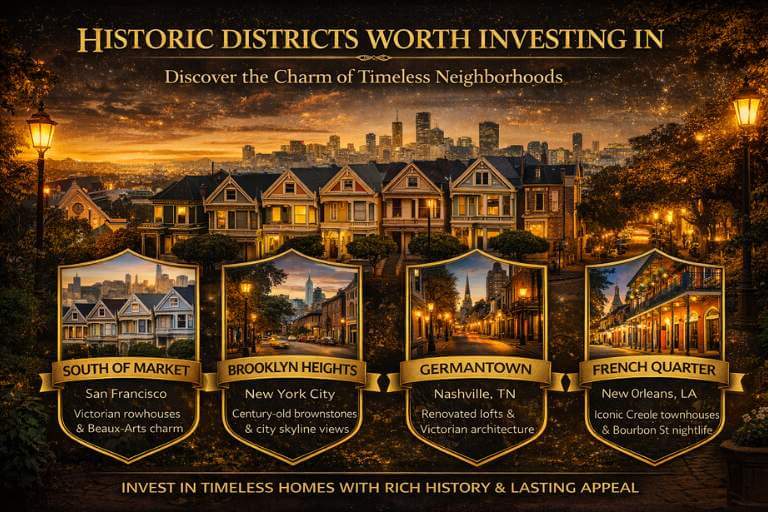

Introduction to Discover the Charm of Timeless Neighborhoods
When exploring historic districts, cities like San Francisco and New York immediately come to mind. On the west coast, South of Market in the San Francisco Bay Area offers Victorian buildings and Beaux-Arts styles that stand alongside modern developments. Meanwhile, on the east coast, Brooklyn Heights is a leafy neighborhood filled with century-plus-old brownstones, detailed trim, original windows, and vintage street lamps. These homes and historic architecture provide a unique identity that cannot be changed, preserving both heritage and community character.
Table of Contents
Living in a historic district comes with a wealth of advantages. Homeowners enjoy lifestyle appeal, timeless design, and charm, while investors can maximize equity appreciation through careful consideration of property timing and buying strategies. According to a CNBC survey, areas with designated historical status show housing values increasing by 9–12 %, often surpassing non-historic older neighborhoods. Market value rises particularly when tax benefits, grants, and low-interest loans are available for rehabilitation or renovation of existing properties.
Historic homes are not just investment properties; they are cultural experiences. The National Register of Historic Places, alongside locally designated historic districts, helps preserve architectural gems while protecting them from demolition and new construction. Properties that are eligible but not designated present option value for investors willing to navigate regulatory restrictions. While becoming landmarked is not fast or easy, properly executed renovation can significantly increase long-term property value and provide income-producing properties.
Older buildings, from historic churches to government buildings, offer timeless design and one-of-a-kind rental experiences. Neighborhoods like Crown Heights North have undergone demographic shifts, with household income rising from below $20,000 in 2000 to $100,000 to $250,000 in 2021, while rents increased 48.8% between 2006–2021. These changes demonstrate both the pros and cons of historic status, including perceived worth, amenity value, and capitalized value.
Historic designation acts as a policy tool for preserving neighborhood character and promoting investment. Federal designation, state level, or local level recognition provides prestige, financial incentives, and recognition, which help investors manage redevelopment costs and uncertainty about future character. Economists like Donovan D. Rypkema (2011 study) and studies by Ryberg-Webster, 2014 and Kinahan, 2019 emphasize the economic impact of historic districts, showing that housing policy aligned with heritage preservation can raise value by 20% per year in the long-term.
When buying property in older neighborhoods, the first step is identifying good candidates: homes that are time-honored, architectural gems, or eligible for listing. Investors and homeowners alike should weigh the benefits of living, including civic pride, lifestyle, and aesthetics, against restrictions and oversight bodies. While new construction or subdivision can increase sales volume, existing properties in tight-knit neighborhoods with tree-lined streets and historic charm offer unique investment opportunities that old is new again.
In cities across the United States, every state has 2,300 local historic districts, each offering unique character, heritage, and cultural significance. Investors’ price range can vary widely, but careful analysis of cost per square foot, market value, and permitted renovations ensures long-term worth. For those seeking timeless homes, historic districts combine modern living with enchanting period architecture, making them eligible for future growth, wealth of advantages, and future benefits of property ownership.
BENEFITS OF HISTORIC DISTRICTS
Living or investing in a historic district comes with unique responsibilities, such as renovation restrictions, requiring approval for exterior updates and careful maintenance of older homes. While upkeep, deferred repairs, and permit compliance can increase maintenance costs, following local guidelines and stricter rules ensures that the charm, character, and significance of historic neighborhoods are preserved. Choosing to live in such an area makes residents stewards of heritage, active participants in community life, and contributors to the neighborhood story. By taking care of homes, maintaining their beautiful and meaningful qualities, and respecting the historic district regulations, owners gain an unmatched sense of pride and help define districts that are treasured by the community. Experts like Sam Kaplunov highlight that understanding local market nuances and pairing buyers with homes that match values helps guide them every step of the process, making the dream of moving to a historic neighborhood a practical reality.
While some considerations involve marginal costs, the benefits of living in areas listed on the National Register of Historic Places or local historic districts often equate to a net positive effect. Theory indicates that designation can increase property values, although researchers and policymakers note the effects are theoretically ambiguous due to the mix of regulations and different types of benefits and costs present when areas are simultaneously located under different policy bundles. With more than 2,300 local historic districts in the United States, the growing use of historic preservation as a tool for investment protection and greater appreciation is evident, despite controversial opposition to designations and listings. Studies, including Heintzelman & Altieri, 2013, the National Park Service, and the National Trust for Historic Preservation, list the top 10 reasons for establishing local historic districts (2015), showing that historic district regulations, when carefully applied, provide equilibrium between costs and benefits, making them a worthwhile choice for both homeowners and investors.
Things to Be Aware Of When Buying an Older Home
When buying an older home in a historic district or landmarked neighborhood, it’s important to be aware that even designated properties needs renovation and may present a host of issues. Potential issues can incur unexpected costs, so considerations like restoration and renovation should be factored in before purchase. Historically designated neighborhoods often require adhering to a strict code with common stipulations for rehabbers, meaning that updates must match original ones whenever possible. For example, wooden window casements often need to resemble the ones that came with the home, and model metal or vinyl replacements may not be permitted. Similarly, exterior railings, gates, and doors may need to be replaced like ones restored to their previous condition, with ditto for moldings, fireplaces, or other period features.
Even when making mechanical, walls, plumbing, or electrical upgrades, care must be taken to ensure unaffected historic elements remain intact. Modern materials can sometimes be used, but they must blend seamlessly with the original architecture and comply with local historic regulations. For buyers, understanding these restrictions upfront helps manage expectations, avoid costly mistakes, and ensures that older homes retain their charm and historic significance while incorporating modern upgrades that improve functionality and safety.
Cons
One of the main cons of historic properties is the presence of very tight restrictions and strict regulations that can feel negative for some homeowners. Any renovation, repair, or change to the property must follow guidelines, which are designed to preserve the extremely unique history of the home. Even small updates, like paint color or time-consuming additions, must often be approved by a certified authority, and guidelines vary depending on the property, its location, and the themes of the historic district. These rules ensure the home remains constant with its past, but can be cumbersome for those not prepared for the scrutinized process.
Even interior changes are not exempt, as guidelines apply to many parts of your property to maintain its historical integrity. Homeowners must accept that their property is under a watchful eye, and what may seem like a small nuisance can become a time-consuming task to ensure everything aligns with historic standards. While these cons are significant, they are part of maintaining the extremely unique history and charm that make historic properties so valuable and special in the long run.
Understanding the Historic District’s Regulations
Understanding the historic district regulations is crucial when purchasing a home, especially in areas like the San Francisco Bay Area, where properties are protected by local preservation laws designed to maintain historical integrity and the character of the community. These regulations affect the exterior appearance of your home, including renovations, installation of modern conveniences, and other updates. Buyers should research the specific guidelines of the district and consult city planning departments to ensure changes to their property are permissible and aligned with preservation standards.
Property Value and Potential for Appreciation
Historic homes in historic districts often carry higher purchase prices due to their significant charm, desirability, and limited availability, but they offer strong investment potential. Properties in Bay Area historic neighborhoods, like the Castro District or Old Palo Alto, tend to hold value and show a steady increase in value over time. While buyers must weigh costs such as frequent maintenance, the potential appreciation and long-term value make these properties attractive. The combination of charm, location, and historical significance often ensures that historic homes outperform typical properties in terms of property value growth and desirability.
Historic Districts Can Gain 20% Appreciation Per Year
Across the United States, there are more than 2,300 local historic districts, with new districts being constantly considered in every state. Investors in a wide price range can take advantage of government grants, low-interest loans, and tax breaks to renovate homes while performing careful real estate analysis. Economist Donovan D. Rypkema, in his 2011 study, showed that designation of a historic district or achieving landmark status can raise property values by as much as 20% per year in neighborhoods with historic churches, older buildings, and other good candidates that are listed or eligible for the National Register of Historic Places. Becoming landmarked is not fast or easy, but the resulting historic designation offers prestige, protection from developers, and ensures preserving architectural gems, which can significantly affect property values over time.
Cities like Washington D.C. and New York, including neighborhoods such as Crown Heights North in Brooklyn, demonstrate this massive shift in property values. In Brooklyn, brownstones, old churches, and other historic status properties experienced dramatic increases in household income, with the largest demographic moving from below $20,000 in 2000 to $100,000 to $250,000 in 2021, even as poverty levels changed from 14.8% to 18% citywide. Meanwhile, rents increased 48.8% between 2006–2021, reflecting the growing desirability of historic districts and the measurable impact of historic designation on both property values and neighborhood dynamics, despite challenges like gentrification or reputational issues.
Maintaining and Restoring a Historic Home
Maintaining and restoring a historic home is one of the most rewarding aspects of owning a home in a historic district, as it allows homeowners to preserve and restore a piece of history. Historic homes often require specialized knowledge and craftsmanship to repair and renovate registered landmark properties, which may feature rare architectural details like stained glass windows, ornate moldings, and period-specific fireplaces. These elements demand expert attention, and buyers must be prepared for the additional expense and time commitment involved in keeping these unique homes in top condition.
The unique properties of historic homes also present challenges, from sourcing authentic materials to completing meticulous restoration work that maintains the home’s original character. Yet, for those willing to invest the effort, the process not only safeguards the home’s historic value but also creates a sense of accomplishment and pride that few modern homes can match. With careful care and respect for traditional techniques, maintaining and restoring a historic home ensures that each property continues to tell its story and remains a cherished piece of the historic district for generations to come.
Legal and Financial Considerations
When buying a home in a historic district or designated landmark, understanding the legal considerations and financial considerations is essential. Historic homes are subject to stricter regulations, and any alterations allowed must follow rules for changes to the structure or appearance, often requiring approval from the local historic preservation board. Buyers should check for existing liens, historical preservation easements, and other restrictions that could affect the use or resale value of the property. Working with a knowledgeable real estate agent helps navigate these unique challenges, ensuring a smooth transaction while respecting the home’s historic character.
Accessibility and Modern Comforts
Historic homes, especially those built before the 20th century, often present challenges when it comes to accessibility and modern comforts. Many older properties were not designed to meet modern standards, and buyers must consider whether the home can be made accessible for people with disabilities or adapted to suit their lifestyle. Issues such as narrow doorways, steep stairs, and outdated plumbing can require major renovations to fully meet needs while preserving the historic character of the home.
Proper planning is key for those who intend to live long-term in a historic home. Modern conveniences like a home office, additional storage space, or a large kitchen may need careful integration into the existing layout. Buyers should assess whether the property can accommodate needs without major renovations, ensuring both comfort and practicality.
With thoughtful design, it’s possible to enjoy the charm and historic appeal of these homes while incorporating modern comforts. Updating infrastructure subtly and planning for accessibility can make historic homes functional for everyday life, offering the best of both worlds: a timeless property with the conveniences necessary for contemporary living.
Eligible but Not Designated National Historic Landmark
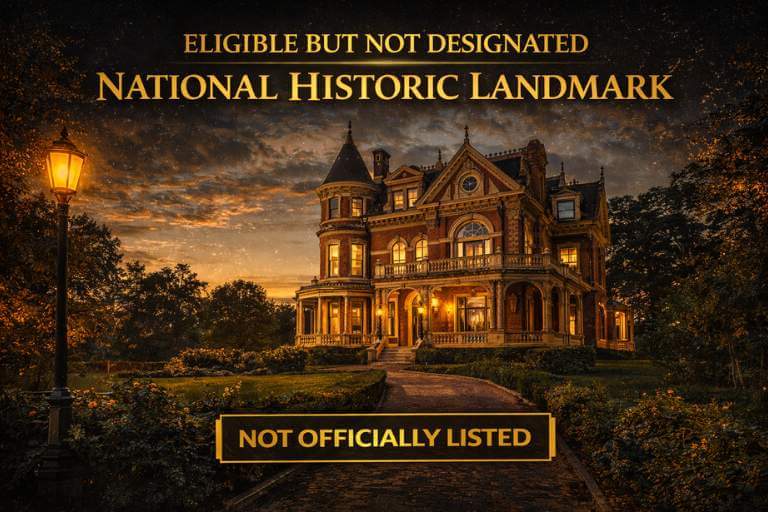
Ever wondered why some treasures sit eligible but not designated as a National Historic Landmark (NHL)? These sites meet the National Park Service (NPS) gold standard for national significance yet lack official NHL status.
What Makes a Site Eligible?
Under NPS criteria, properties must possess exceptional value in American history, architecture, archaeology, engineering, or culture—think Revolutionary War battlefields or pioneering engineering feats already listed on the National Register of Historic Places (NRHP). Eligibility stems from rigorous evaluation, but designation requires NPS recommendation and Secretary of the Interior approval.
Why the Hold-Up?
Common hurdles include owner objections, funding shortages, or ongoing preservation threats. For instance, many NRHP-eligible sites await NHL elevation due to bureaucratic delays.
Unlocking NHL status preserves legacies forever. Advocating for your local gem? Start with NPS nomination—history awaits!
The Unique Appeal of Historic Living
Owning a home in a historic district, particularly in the San Francisco Bay Area, offers a unique appeal and the chance to experience historic living with architectural beauty and a rich history. Buying such a property provides an unparalleled living experience, allowing prospective buyers to appreciate charm and character while enjoying iconic homes that are part of the community’s story.
While there are challenges in maintaining home integrity and navigating local regulations, careful planning around budget, long-term goals, and lifestyle needs ensures that committing to a property is highly rewarding. Beyond financial reward, homeowners often experience an emotional reward from preserving history and living in a space that combines timeless charm with modern comforts. With the right approach, investing in a historic district home can offer both a lifestyle and investment that few other properties can match.
Make Your Historic Home Dreams a Reality
Mosaik Real Estate understands the allure of historic homes and the importance of finding the right fit in historic districts throughout the San Francisco Bay Area. Their team, committed to helping clients navigate complexities of purchasing property with historical significance, ensures that every detail is considered. With their expertise, buyers can make an informed decision that aligns with their vision and future, connecting them to a home that perfectly blends history, charm, and modern living.
Conclusion
Historic homes offer a character-filled living experience in scenic parts of older parts of towns and cities, where people want to live and enjoy the charm of historic districts. These properties often see rapid appreciation and high rental demand, though city rental laws and requirements to accommodate guests must be considered. Historic home renovation requires time, patience, and experience, as well as following city guidelines to ensure both investors and homeowners can maintain property and increase value over time compared to non-historic homes.
Historic districts preserve cultural resources and the neighborhood character, giving residents a sense of pride and continuity. Historic district designations, while sometimes controversial, guide property owners in balancing regulation with potential effects on home prices. Across the U.S., designated properties under Federal government, state government, and local government programs show that different types of designations come with different costs and benefits, but careful management can maximize long-term value.
From an economic theory perspective, these properties provide a tangible example of how preservation can align with investment potential. While property owners face restrictions and responsibilities, historic homes in well-managed districts offer a unique opportunity to protect heritage, enjoy a distinctive lifestyle, and benefit from long-term financial appreciation, making them both a cultural asset and a strategic investment.
Which country is best to invest in property?
The UAE, particularly Dubai, offers excellent property investment opportunities with high rental yields, tax-free income, and strong capital appreciation. The USA and UK also provide stable markets with diverse options, robust legal frameworks, and strong tenant demand across multiple cities.
Why are historical locations important?
Historical locations preserve cultural heritage, educate future generations about past civilizations, and provide tangible connections to our collective history. They drive tourism, create economic opportunities, boost local pride, and offer invaluable insights into architectural evolution, social development, and human achievement across different eras.
Where is the best place to visit for history?
Rome, Italy stands as the premier historical destination, featuring ancient Roman ruins, the Colosseum, Vatican City, and countless archaeological treasures. Athens, Greece; Cairo, Egypt; Jerusalem, Israel; and Kyoto, Japan also rank among top historical destinations, each offering unique perspectives on human civilization and cultural development.
Why are historic buildings important?
Historic buildings represent architectural heritage, showcase craftsmanship of past eras, and serve as physical records of cultural evolution. They contribute to community identity, attract tourism revenue, provide educational value, inspire contemporary design, and offer sustainable reuse opportunities while maintaining connections between past, present, and future generations.




Leave a Reply