
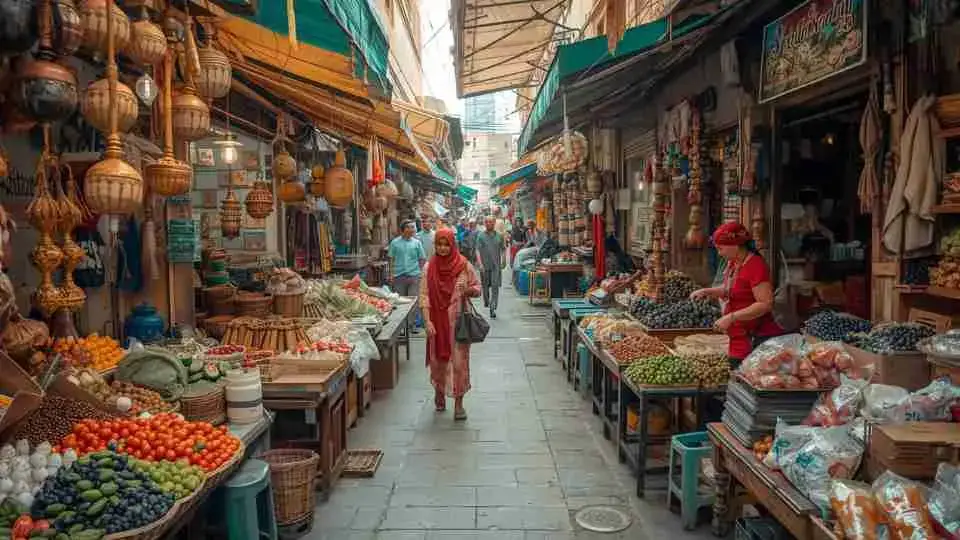

Forget sterile shopping malls and impersonal online transactions—the world’s most Famous Local Shops and Markets Around the World offer enriching experiences that awaken your senses and connect you to the soul of a destination. From ancient bazaars in the Middle East to vibrant floating markets in Southeast Asia, these bustling marketplaces serve as community hubs where culture, cuisine, and daily life converge in a symphony of colors, sounds, and smells. Whether you’re bargain hunting for exotic handicrafts, tasting fresh produce from local vendors, or simply people-watching in historic trading centers, these diverse shopping destinations belong on every traveler’s bucket list. These aren’t just places for buying and selling—they’re the heartbeats of cities, living museums where tradition meets modern vitality, and where every stall tells a story worth witnessing.
Table of Contents
Historic & Grand Bazaars
The floating markets of Southeast Asia first taught me what authentic commerce feels like, but nothing prepared me for the sheer magnitude of ancient trading centers that have shaped civilizations—Istanbul’s Grand Bazaar in Turkey stands as one of the world’s oldest and largest covered markets, a true labyrinth where getting lost becomes part of the adventure among textiles, ceramics, spices, and jewelry that gleam under centuries-old arches. These famous local markets scattered worldwide offer rich cultural experiences that modern shopping simply cannot replicate, each one offering a glimpse into history and traditions that have survived countless generations. Cairo’s Khan el-Khalili in Egypt pulses with similar energy, this historic bazaar drawing visitors into its maze of traditional crafts, souvenirs, and perfumes whose scents linger in your memory long after you leave, while bustling bazaars throughout the Middle East maintain their charm and character despite the encroachment of globalization. The Souks of Marrakech, Morocco, provide a vibrant sensory overload where colors, sounds, and smells assault your senses in the most wonderful way—saffron-stained hands weigh out spice blends, leather tanners call out from their workshops, and authentic Moroccan goods from babouche slippers to copper tagines stack in impossibly precarious towers along narrow passages. Walking through these ancient and grand marketplaces, you realize they’re not just about buying things; they’re about connecting with the soul of a place, understanding how local communities have sustained their economies through trade for millennia, and experiencing the pure theatrical joy of bazaar life where every interaction becomes a story worth telling.
Food & Produce Markets
I’ve chased flavors across continents, but standing in Pike Place Market in Seattle, USA, watching fishmongers perform their iconic fish throwing routine while tourists cheer, reminded me why food markets become the beating heart of any city—this waterfront wonderland combines fresh seafood, farmers produce, flowers, and artisan goods in a way that transforms grocery shopping into pure entertainment. La Boqueria off Las Ramblas in Barcelona, Spain, might be the most famous food market I’ve ever wandered through, its rainbow-colored displays of fresh produce, meats, and local delicacies creating an edible art gallery where Spanish ham hangs like chandeliers and fruit smoothie stands glow like stained glass windows. Tokyo’s Tsukiji Outer Market in Japan offers a completely different energy—a haven for sushi lovers where vendors selling pristine tuna cuts, exotic fruits, and specialized kitchenware demonstrate Japanese precision in every transaction, while Borough Market in London, UK, satisfies the gourmet lover’s delight with its diverse international foods ranging from Ethiopian injera to Spanish chorizo under Victorian railway arches. The classic floating market experience at Damnoen Saduak in Thailand takes commerce to the water, where boats laden with tropical food and goods navigate narrow canals while vendors balance impossibly fresh ingredients and steaming noodle bowls, showcasing how Thai cuisine adapts to geography.
Chatuchak Weekend Market in Bangkok, Thailand, earns its title as one of the world’s largest markets by offering everything imaginable—clothing, antiques, pets, and countless food stalls spread across 27 acres where you could spend entire days without covering every section. Jemaa el-Fnaa in Marrakech, Morocco, transforms from a bustling square by day into a theatrical food paradise at night, where dozens of stalls serve grilled meats and tagines while storytellers and performers create a carnival atmosphere that’s fed travelers for centuries. Gwangjang Market in Seoul, South Korea, exemplifies traditional Korean market culture through its famous street food offerings—bindaetteok (mung bean pancakes), mayak gimbap (addictive rice rolls), and soju served by ajummas who’ve perfected their recipes over decades of daily repetition. These markets represent vibrant centers of diverse life where culture isn’t something you observe from a distance but something you taste, smell, and participate in with every purchase, proving that the world’s greatest culinary education doesn’t happen in Michelin-starred restaurants but in these chaotic, beautiful, utterly authentic spaces where locals have shopped for generations.
Vibrant & Diverse Market
I never thought I’d visit Israel until 2018 when I found myself traveling to Netanya with twenty-three Ugandan lacrosse players, five coaches, volunteering with the Ugandan Lacrosse Foundation, an organization dedicated to funding and supporting the growth of lacrosse in Uganda—we’d raised over 100,000 dollars to bring the team to the World Lacrosse Games, creating content and capturing photography during those intense ten days in Jerusalem filled with practices, games, and a tournament featuring 50+ countries where our underdogs built a reputation that exceeded expectations. Between matches, our community took a tour by bus to sacred sites where celebrities and pilgrims alike visit the Wailing Wall, Church of the Holy Sepulcher, and walked the Via Dolorosa, soaking in history along a structured path that felt almost surreal, but nothing prepared this Team Mom for the sensory explosion of Shuk market with its narrow streets lined with stalls overflowing with nuts, spices, dried fruits, mountains of cumin, aromatic coffee, and freshly baked bread where bartering in multiple languages continues an ancient tradition in constant motion as tourists, vendors, neighbors, and families intermingle. Your senses drown in stories as culture, cuisine, and daily life blend seamlessly—shopping becomes traveling through street eats in a maze of shops selling everything from hand-woven rugs displayed at dawn to fishmongers shouting over prime tuna at their colorful stalls, the hustle and bustle of locals haggling over homemade delicacies revealing customs that drive the economy through passionate haggling, explosive colors, and raw vitality that’s simultaneously noisy, messy, and utterly genuine—a true reflection of society. These underrated destinations satisfy every browser, people-watcher, and bargain hunter because markets function as hubs where buying and selling transforms simple community centers into something more, with adjacent bars and cafés offering respite from the adventure while you absorb the heartbeats of cities through exotic handicrafts and enriching experiences that no online delivery service can replicate, making artisan souvenirs from these marketplaces essential bucket list items for a lifetime of memories. The soul of any place reveals itself through meeting vendors, tasting fresh produce, connecting with strangers over shared humanity, and witnessing how commerce, tradition, and human warmth create spaces that feed both body and spirit.
Here are the 18 places Famous Local Shops and Markets Around the World
44 Must-Visit Markets Around the World
Colombia’s Bazurto Market Most Authentic Market Experience
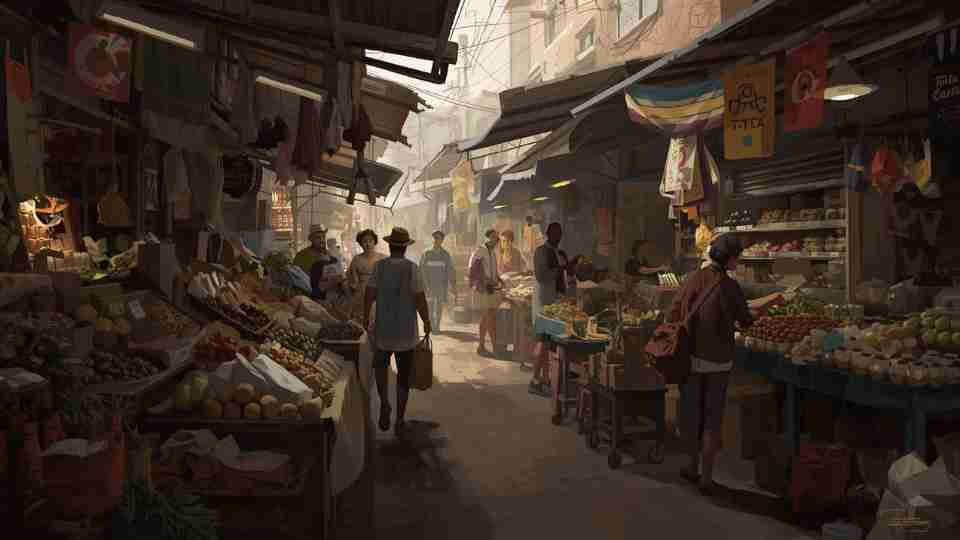
Located approximately 4 kilometers from Cartagena’s city center, Bazurto Market stands as a bustling hub of activity that pulses with Caribbean energy from sunrise until the tropical heat becomes unbearable—this chaotic wonder was originally situated near the Convention Center where it stands today, but was moved to its current location after a devastating fire in 1965, and the market reopened in 1968, bringing back the original vendors and their loyal patrons who had depended on this commercial lifeline for generations. Navigation through the market’s maze-like layout can feel overwhelming for first-timers, so I’d strongly consider hiring a local guide to navigate the labyrinth and provide insights into the history and offerings that might otherwise remain hidden—Safety in this vibrant environment is essential, so stay vigilant, keep your personal belongings secure, and remain cautious of your surroundings while soaking in the atmosphere, because pickpockets do operate in crowded areas. Timing your visit for early morning guarantees the most active scenes when produce is at its freshest and the real Cartagena comes alive before tourists even leave their hotel breakfast buffets.The sensory overload begins immediately with exotic fruits—sample unique local fruits like tart lulo, sweet zapote, and tangy nispero that you’ve probably never encountered in Western supermarkets, their vibrant flesh staining your fingers as vendors slice samples with practiced efficiency. Seafood dominates entire sections where fresh catches lie abundant on ice-filled tables—try traditional dishes like fried fish and tangy ceviche from the food vendors who’ve perfected their recipes over decades of daily preparation, the lime and cilantro cutting through the humidity. Don’t leave without tasting Arepas de Huevo, a beloved local delicacy consisting of deep-fried corn cakes stuffed with a perfectly runny egg that somehow stays intact during the frying process, creating a crispy-creamy combination that defines Colombian street food. Bazurto isn’t sanitized for tourists—it’s raw, loud, occasionally smelly, and absolutely genuine, representing how actual cartageneros shop, eat, and connect with their food sources in ways that the polished Old Town restaurants can never replicate.
Mercado de San Juan: A Deep Dive into Mexico City’s Food Soul
Located in the historic center of Mexico City, Mercado de San Juan is a renowned food hub known for exotic meats and gourmet ingredients, making it a favorite of chefs and adventurous eaters like me who love to explore beyond the usual. Walking past huge piles of tomatoes, avocados, limes, and chilies that brighten every display, you quickly feel why this is Mexico’s most famous produce market. It is one of the oldest and largest in the capital, carefully divided into separate sections where fresh fruit and veg dominate the largest and most enticing areas, a great place to see cooks gather ingredients for their next family feast.
Grand Bazaar: Inside Istanbul’s Living Maze
One of the oldest and largest covered markets in Turkey and the world, Istanbul’s Grand Bazaar was originally founded in 1461 as the centre of trade for the entire Ottoman Empire, once guarded by soldiers at night time. What expanded over centuries into a patchwork of labyrinthine paths feels like a living mall today, a colourful, chaotic marketplace where you can snack on Turkish delight and baklava, barter for textiles, spices, and pottery. Though cynics call it a tourist trap, locals still frequent it for goods of excellent quality and great deals if you bargain hard. From my own insight, the Bazaar reveals real Istanbul, which boasts over 4,000 shops spread across 61 streets, forming a true labyrinth of jewelry, ceramics, and the most important shopping place in the city, consists of 66 more than four thousand stores under one roof.
The construction of its pavilions began in the middle of the XV century, and over 450 years it underwent extensive reconstruction after a massive earthquake, yet every entrance—over two dozen gates—remains a main landmarks in this lost vast area. Inside, an assortment that is astonishingly diverse includes tableware, fabrics, cosmetics, clothing, with 60 established in the 15th century, forming a kaleidoscope of colors and sounds. I still remember luxurious rugs, shimmering lamps, handcrafted goods, and aromatic aisles like a maze without a map, though a guided tour helps. Beyond food stalls—among the greatest—the market feels increasingly touristy, yet authentic corners remain: hookah, clothes, carpets in a side alley, a hidden gem with a genuine local vibe and full experience. Open 8:30 AM to 7:00 PM, Monday to Saturday, Weekday mornings avoid the crowd. Take the tram to Beyazıt, Üniversite, or Sirkeci stops. Bargaining, Navigation, and Timing matter: it’s Easy to get lost, so consider picking a map or using a GPS-enabled device. Haggling is expected—start by offering half the quoted price, negotiate, Visit early in the day, avoid crowds, and first pick your goods like Turkish Delight (Lokum), Spices, Handmade Ceramics. This Sweet confection is available in various flavors—rose, pistachio, lemon—and you can Stock up on saffron, sumac, and other Middle Eastern spices, plus Beautifully crafted plates, bowls, tiles with traditional Turkish designs.
Spice Bazaar: Istanbul’s Sensory Playground
Alongside the Grand Bazaar, the Spice Bazaar is one of Istanbul’s main markets and a strong tourist draw, offering a huge choice of spices, herbs, teas, and fragrant concoctions that shape every ingredient in a local dish, whether Turkish or international. From my own visits, this feels like a proper food market where you buy not just flavor but natural remedies rooted in century-old traditions, alongside cakes, coffee, dried fruits, and deeply traditional treats. The space becomes an explosion of colors, flavors, and scents that bedazzle visitors, making you almost forget to haggle the price as you wander and taste your way through history.
Or Tor Kor Market: Bangkok’s Premium Food Stop
Located opposite the touristy Chatuchak Market, Or Tor Kor is known for high-quality produce, meats, and seafood, making it a clear favorite with locals and chefs who value freshness. What stands out immediately is the Cleanliness—the space is notably clean, well-organized, and creates a pleasant shopping experience. The Food Court and prepared food section offer a wide variety of Thai dishes, while Pricing shows prices are slightly higher than other markets, clearly reflecting the quality of the goods. I still remember tasting Durian, the king of fruits, a divisive delicacy but worth trying, followed by Mango Sticky Rice, a popular dessert of sweet mangoes, sticky rice, and coconut milk. Don’t miss Fresh Seafood either—sample grilled prawns, steamed fish, and cakes straight from the stall.
Chatuchak Market: Bangkok’s Weekend Giant
Chatuchak Market, established in 1942, has evolved from a small flea market into the world’s largest weekend market, covering 35 acres and boasts over 15,000 stalls. These stalls are selling everything from clothing, accessories, and live animals, and visitors quickly enjoy the buzz while tasting Thai street food like moo ping (grilled pork skewers) and coconut ice cream. I’ve spent hours browsing handmade crafts from different regions of Thailand, and Bargaining is common—start at 50-70% of the asking price, keep cash ready, and use the clock tower as a meeting point before you explore deeper, especially Section 7 for vintage treasures.
Beyond shopping, the market offers Thai massage parlors, making it easy to pause and recharge. A useful Travel Tip during the rainy season (June-October) is to carry an umbrella, as many paths are uncovered. As the biggest market of its kind, having a map helps navigate the space, which is divided into 27 organized zones for food, antiques, and pets. Though parts are open every day, the full experience comes on the weekend, when people buy, sun shines, and energy peaks. I always arrive early in the morning to avoid crowds, stay ready to shop, and drop by stalls that show why this is Bangkok’s largest, most diverse market with an extensive selection of goods for home decor.
The labyrinthine layout can feel overwhelming, so I download a guide app before going, especially when hunting classics like pad Thai or mango sticky rice. Opening Hours run 9:00 AM to 6:00 PM, Sat-Sun, while the Plant section is opened on Wednesdays and Thursdays. The Best Time to Visit is early Saturday to beat the heat and crowds, and it’s easy to reach via BTS Mo Chit station or MRT Chatuchak Park station.
Marché des Enfants Rouges: Paris in Everyday Motion
Located in the Marais district, Marché des Enfants Rouges is the oldest covered market in Paris, dating back to the 1600s, and it remains a deeply charming spot where history meets daily life. I’ve always felt its small size adds to the local vibe, making it a beloved stop for Parisians and visitors alike. The mix of traditional French goods and international cuisine feels natural rather than curated. At the heart of it, the Food Court market features several food stalls offering everything from Moroccan tagines to Italian panini, and it’s worth taking time to savor these diverse flavors. Visit Early in the day for the freshest produce and to avoid crowds; I usually try a weekday day, and remember Cash matters—many vendors prefer cash, so bring euros.
Not far away, Marché d’Aligre offers a unique market features a blend of covered market hall, the Marché Beauvau, and an open-air street market with an eclectic mix of food stalls and flea market treasures. I like to indulge in artisanal cheeses, fresh baguettes, and seasonal fruits, especially when it turns lively during holidays like Christmas and Easter, when stalls emphasize organic and locally-sourced products. The flea market section is great for unique Parisian souvenirs, and simple Shopping tips help—bringing a bag and seeking vendor advice goes a long way. I never skip Crêpes—a delicious, freshly made crêpe from busy vendors—or browsing Fresh Produce with a wide selection of seasonal fruits and vegetables for picnic preparation. The International Flavors stand out too, with specialties like Moroccan couscous, Japanese sushi, and Lebanese falafel across various food stalls. This 18th century vibrant symbol of the Parisian way life has endured revolutions and wars, remaining a hub for fresh produce and local interaction.
Tsukiji Outer Market: Tokyo’s Seafood Pulse
After the Inner wholesale market Tsukiji moved to Toyosu, the Tsukiji Outer Market stayed a vibrant destination for fresh seafood, local snacks, and kitchenware, and remains one of Tokyo’s iconic markets, beloved by food lovers and tourists. Once known as Japan’s Tsukiji Fish Market, the largest fish market in the world, it is still the best place to buy seafood, sushi, and groceries, where eating seafood becomes a true spectacle. Spread across three blocks, the constant buying and selling of fish is always worth a visit, and those who come early once tried to catch the daily tuna auction, where 120 visitors were permitted to watch the intense line-ups at 5am—I still remember the advice about footwear (flip-flops, not heels) and packing a sweater for the waiting room, often unheated, and carrying cash for vendors.
Today, the area is a bustling hub for produce, culinary gadgets, and was established in 1935 as a true food paradise, offering sashimi, unique Japanese kitchen tools, and fresh sushi breakfast at small restaurants. I like to explore the diverse array of street food stalls, and my personal tip is to arrive to experience the liveliest hours and avoid long lines. Though the wet market pre-dawn auctions ended and moved in late 2018, the original spirit remains must-see in specialist shops selling knives, dishes, and sushi-making equipment used by cuisine restaurants serving the freshest plates in the city. Watching breakfasting workers and tourists side by side adds to the charm. Get There Early for the best seafood—the fish is most available in the morning, so aim to visit when the market opens. Sampling helps too, as vendors often offer free samples of fish, sushi, and delicacies, so don’t be shy, try everything. Cash matters here—the vendors in the outer market prefer cash, and it’s worth having yen in hand.
Toyosu Fish Market: Tokyo’s Modern Seafood Powerhouse
The Toyosu Fish Market, opened in 2018, replaced the iconic Tsukiji Fish Market, which had been the heart of Japan’s fish trade for over 80 years. Now known as the world’s largest fish market, it features state-of-the-art facilities with a strong focus on hygiene and sustainability. The main Highlights are the famous tuna auctions and access to ultra-fresh sashimi and sushi, along with specialty dishes like kaisendon, a seafood rice bowl I still crave after tasting it here. For the best experience, you should pre-register to view the tuna auction, then step into the rooftop garden for panoramic views of Tokyo Bay, while Visitors can also join sushi-making classes and capture photos through observation windows overlooking the auction floor.
Opening Hours matter here: Tuna auctions run 5:30 AM to 6:30 AM, while the General market stays open 5:00 AM to 5:00 PM. The Best Time to Visit is Early morning for the tuna auction, while avoiding Sundays and holidays helps skip crowds. How to Get There is simple—Take the Yurikamome Line to Shijo-mae Station. For eating, Sushi is unmatched: Fresh sushi from local fishmongers is a must-try, especially tuna, uni, and sea urchin. For Sashimi, Sample the freshest cuts and taste fatty tuna, octopus, and eel, then finish with Tamago, the Japanese Omelet, a delicious, sweet, layered omelet that’s a personal favorite snack.
Mercato di Testaccio: Everyday Rome on a Plate Italy
Located in the Testaccio district, this vibrant market delivers a true Roman experience, centered on fresh produce, meats, cheeses, and irresistible street food. It’s a great place to explore local ingredients and understand authentic Roman culinary culture through daily routines rather than spectacle. One of my best Tips for Travelers seeking a real Culinary Experience is to take advantage of local butchers and fishmongers, whose advice on preparing Italian dishes is as valuable as the food itself. When you Visit the Food Stalls, the market offers numerous food stalls where you can enjoy classic Roman dishes like suppli, fried rice balls, and porchetta sandwiches. To Avoid Crowds, note that Weekdays are less crowded than weekends, so plan your visit accordingly.
Supplì—Fried rice balls with tomato sauce, mozzarella, and sometimes meat—are a great snack, while Porchetta is slow-roasted, herb-stuffed pork roast, served in a sandwich as a Roman delicacy. Don’t miss Fresh Pasta either: Try traditional, handmade pasta like cacio e pepe or fettuccine. This Huge, covered market, renovated years ago near the university of Rome, blends old style open-air local market roots—selling fresh fruits, veggies, eggs, cheese, meat, delicious, freshly baked bread, and pizza—with a modern complex of shops offering the same products. You can buy a great range of Italian typical foods like mozzarella, olive oil, focaccia, and seasonal fruits and veggies. Often ranked among the best food markets in Rome, you’ll also find another option in the Prati area, Via Andrea Doria. Opening Hours are 7:30 AM to 1:30 PM, Tue-Sun, Closed Mondays, and the Best Time to Visit is Early morning for the freshest produce, arriving via Metro Ledru-Rollin station.
Rialto Market: Venice’s Fresh Catch Hub
Rialto Market, at the commercial heart of Venice for over 1,000 years, is located near the iconic Rialto Bridge along the Grand Canal, creating a picturesque setting that focuses on ultra-fresh seafood caught daily from the Venetian Lagoon. Local specialties include soft-shell crabs (moleche), seasonal vegetables from nearby islands, and Venetian cheeses and wines, with Seasonal variations like white asparagus in spring or porcini mushrooms in fall. For shopping, visit the Rialto fish market (Pescheria) to explore Adriatic seafood variety, then stop at All’Arco bacaro for cicchetti and a spritz. Opening Hours are 7:30 AM to 1:00 PM, Tue-Sat, and the Best Time to Visit is Early morning for the busiest, freshest catch, easily reached via Vaporetto Rialto Mercato stop.
La Boqueria: Barcelona’s Colorful Food Haven
Located on La Rambla, La Boqueria is one of the most famous markets in Europe, offering fresh seafood, meats, sweets, and ready-to-eat meals. Its vibrant atmosphere and wide array of products make it a must-visit for food lovers exploring Barcelona’s iconic food market. Renowned displays of fresh produce, seafood, and gourmet delicacies feast the senses, with colorful fruits, vegetables, meats, and cheeses giving visitors a real taste of local life. You also get the chance to enjoy delicious tapas, a meal, or a refreshing fruit juice from the stalls.
The best Visit is early morning, when the freshest picks are available and you can avoid the lunchtime rush. This fantastic place lets you experience one of the local markets and see the best things in Barcelona in just 2 days. From types of products to ingredients to cook and enjoy at your hotel or nearby, it’s a yummy stop for fresh, dried fruits, nuts, and juice or smoothie.
Tips for Travelers: Morning Visit and Early mornings are the best time to enjoy the market at its freshest and avoid the large crowds. Enjoy Tapas at the stalls, grab a bite, and wander the aisles. Be Aware of Crowds, as this popular tourist destination can get crowded—visit early and explore, or come later in the afternoon for a more peaceful experience.
Don’t miss Jamón Ibérico, the famous Spanish cured ham, a treat for meat lovers, or Seafood like fresh oysters, prawns, and calamari from the seafood stalls. Juices and Smoothies of fresh fruit are perfect for a refreshing mix of tropical flavors. Boquería remains the main market in Barcelona, famous worldwide, with the entrance on the pedestrian street La Rambla. Its first mention as a marketplace dates back to 1217, and the opening of the covered part in the middle XIX century turned it into a gourmet paradise, with stalls bursting with delicacies like local fruits, vegetables, Spanish Jamon, Mediterranean seafood, and fruit slices, convenient to eat at Mercado La Boqueria bars, eat tapas, drink cold sangria, or Visit Bar Pinotxo for a traditional Catalan breakfast. Explore the offal section for a glimpse of traditional Catalan cuisine.
Mercado Central de Valencia: Valencia’s Modernist Food Treasure
Central Market Valencia, officially Mercado Central de Valencia, Inaugurated in 1928, is one of the oldest-running food markets in Europe, housed in a beautiful, modernist building that stands as a testament to Valencia’s early 20th-century prosperity and architectural innovation. Inside, visitors find local delicacies like Valencian oranges, jamón ibérico, fresh seafood, and paella, while vendors offer vacuum-packed goods for easy transport and samples of cheeses and cured meats are common. Seasonal gastronomic events often align with local festivals, adding excitement to the market. Insider tips for visiting include stopping at Central Bar Ricard Camarena for tapas while admiring the central dome, or for a deeper experience, join a market tour or paella cooking class. Opening Hours run 7:30 AM to 3:00 PM, Mon-Sat, and the Best Time to Visit is Mid-morning, after the initial rush but before lunch crowds, easily accessible via Metro Xàtiva or Colón stations.
Mercado de San Miguel: Madrid’s Gourmet Hub
Mercado de San Miguel, near Metro Sol and Opera stations, is a vibrant market offering Local Delicacies like Jamón ibérico, fresh seafood, especially percebes (goose barnacles), Catalan sausages, and cheeses. Opening Hours are 10:00 AM to Midnight, Sun-Wed, and 10:00 AM to 2:00 AM, Thu-Sat, making the Best Time to Visit the Late afternoon for the vibrant, after-work atmosphere. For a quieter experience, Mid-morning is perfect before the restaurant rush and tourist crowds. You can also explore nearby Metro Liceu station for easy access and fully enjoy the market’s fresh, gourmet offerings.
Queen Victoria Market: Melbourne’s Iconic Open-Air Hub
Melbourne’s oldest, iconic markets, Queen Victoria Market, Established in 1878, is a historic landmark and the largest open-air market in the Southern Hemisphere, right in the heart of the city. Covering two blocks with more than 600 outlets, it offers local and imported products, clothing, shoes, souvenirs, handmade goods, and Australian-made crafts, alongside farm-fresh produce, borek pastries, and a bustling Deli Hall. Visitors can Wander the sections for fresh seafood, meats, and handmade goods, or join free tours to explore the market’s rich history and discover sustainably produced and organic foods. Night Markets on summer evenings feature global street food, live entertainment, and a lively atmosphere. Opening Hours vary: Tue-Thu, 6:00 AM–2:00 PM; Fri, 6:00 AM–5:00 PM; Sat, 6:00 AM–3:00 PM; Sun, 9:00 AM–4:00 PM. The Best Time to Visit is Saturday mornings for the fullest market experience, easily accessed via the Free City Circle Tram on Elizabeth Street, but Be Prepared for Crowds and plan your visit accordingly. Don’t miss Fresh Seafood like top-quality oysters and prawns, Aussie Meat Pies as a savory snack, and Local Cheese from artisan cheeses and dairies to take home as the perfect souvenir.
Borough Market: London’s Culinary Landmark
Borough Market, one of London’s most famous food markets, is a culinary destination offering a wide range of fresh produce, artisan products, and prepared meals that cater to both locals and tourists. Tips for Travelers: the best visit times are early or late to avoid the biggest crowds, especially on weekends. The Street Food market is excellent, giving the chance to try a variety of flavors. Cash and Cards are accepted, but it’s a good idea to have cash for smaller purchases. Don’t miss the Cheese and Charcuterie stalls for artisanal cheeses and cured meats, or pick from the selection of picnic Salt Beef Sandwich, a classic British sandwich with tender salt beef, mustard, and pickles. Baked Goods are also a must, with the market’s famous freshly baked bread, pastries, and cakes delighting every visitor.
Camden Market: North London’s Eclectic Hub
Camden Market, a diverse, eclectic market complex in North London, was Established in the 1970s and has grown into a sprawling hub for alternative fashion, vintage goods, and international street food. It’s a haven for unique finds, from retro clothing to handmade jewelry. Explore the sections including historic Camden Lock and the modern Stables Market. Tip: visit the food stalls for a global culinary adventure while soaking in the busy, vibrant atmosphere.
Ferry Building Marketplace: San Francisco’s Waterfront Food Hub
Situated along the waterfront in San Francisco, the FerryBuildingMarketplace and PlazaFarmersMarket is a bustlinghub for localartisanalproducts, freshproduce, and gourmetfoods. Tips for Travelers: visit the FarmersMarket on Saturdays to samplelocalproduce and specialtyfoods, stop by BlueBottleCoffee for top coffee, and pick up LocalGoods like cheese or handmadechocolates. Must-TryItems include ArtisanCheese from Marin and Sonomacounties, SourdoughBread, and the wide variety of Mushrooms, ideal for cooking or as a gift, all while enjoying stunning views of the bay.



Leave a Reply